Action for Primates



|
Action for Primates |
|
|
The following are news items we have posted in 2026. See elsewhere for news from other years.
Index of news items; select date & title to access:
18 August 2026: UK government authorises brutal brain research involving 36 macaques
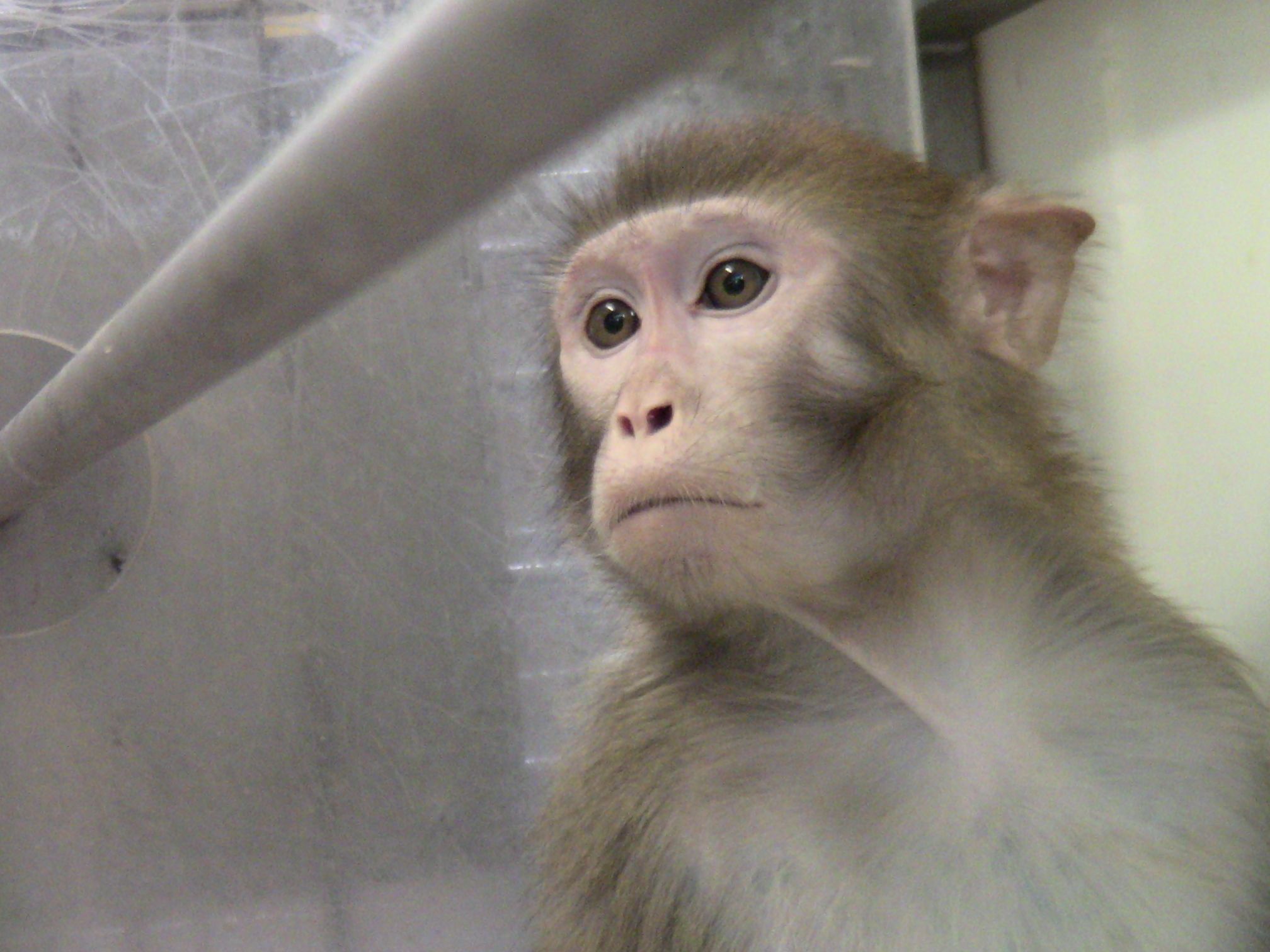
On 11 November 2025, the UK Government published its policy paper: Replacing animals in science: A strategy to support the development, validation and uptake of alternative methods. In an apparent direct contradiction, in early 2026, it authorised a five-year project licence—Neural mechanisms of cognition—using 36 rhesus macaques in highly invasive brain research that, according to the project licence summary, contains "severe" procedures (the highest level of severity used by the Home Office for animal experiments).
The research will use the rhesus macaques as surrogates for humans in studying brain mechanisms that support learning and decision-making. It is astounding that at a time when the use of non-human primates raises intense and profound ethical concerns, and there is a growing awareness of the unreliability of using animals in research and testing, with increased scrutiny from regulators and governments worldwide, that the Home Office and relevant Animal Welfare and Ethical Review Body (AWERB) would approve such inhumane research. The name of the institution carrying out the macaque research is not named by the Home Office.
The research using these macaques involves:
Although rare, adverse effects could occur during/following surgery and anaesthesia including brain bleeding, brain swelling, seizure, muscular weakness, breathing obstruction, failure of respiratory or cardiac systems.
The summary for this unquestionably inhumane project is written in a positive, upbeat way. For example, the researchers stated that ...for the majority of the animal's experimental life, they are sitting in front of a computer, playing a form of video game, where they are given their preferred juice reward/smoothie for performing a trial correctly
. Such inane statements gloss over the fact that the macaques are to be subjected to brutal head surgery and will have their food and water restricted in order to get them to 'perform' the tasks.
Another statement designed to assuage public concern is that the suffering being experienced by the macaques will be minimized
because pain relief and post-operative care is performed just like in people recovering in hospital
. This nonsensical comparison with humans completely ignores the fact that the humans are recovering from procedures aimed at helping them.
Although the researchers claim that they are studying how a healthy brain works
, specifically "decision-making", this is specious because they are using a species (rhesus macaque) from which extrapolations to the human are tenuous at best. More importantly, decision-making can be studied humanely and elegantly in the human, using existing sophisticated methods. Further, to study this phenomenon adequately, researchers have to communicate with the subject, something not possible with the macaques. Instead, the macaques will be mechanically responding to stimuli in order to get a reward, with no comprehension of why they are being forced to do this.
In addition to the important ethical issues surrounding such controversial experiments being carried out on sentient beings such as non-human primates, Action for Primates also challenges the scientific relevance of this basic research, particularly when clinically useful data can be derived from human patients and volunteers.
|
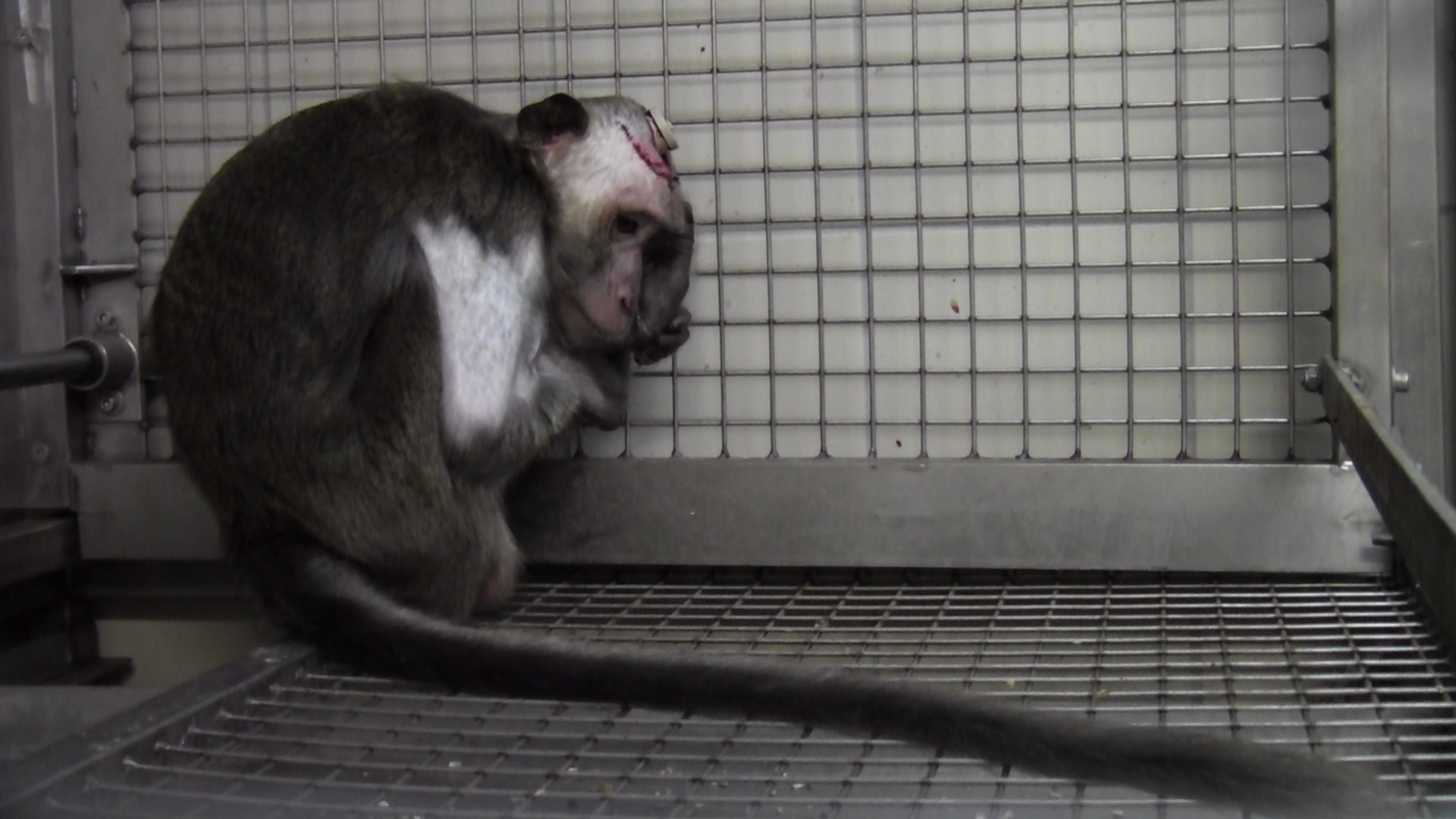
Craniotomy:
This is a surgical procedure to access the brain. Typically, an area on the head is shaved. An incision is made through the skin and tissues underlying it, down to the surface of the skull, in such a way as to create a flap that can be pulled away to expose the skull. Depending on what type of access to the brain is required, holes may be drilled through the skull into the brain cavity, for example for injections, or a portion of the bone may be cut out in order to implant a bank of electrodes. When done, bone cement may be used to fill in the hole in the skull and the overlying tissues sutured. |
|
|
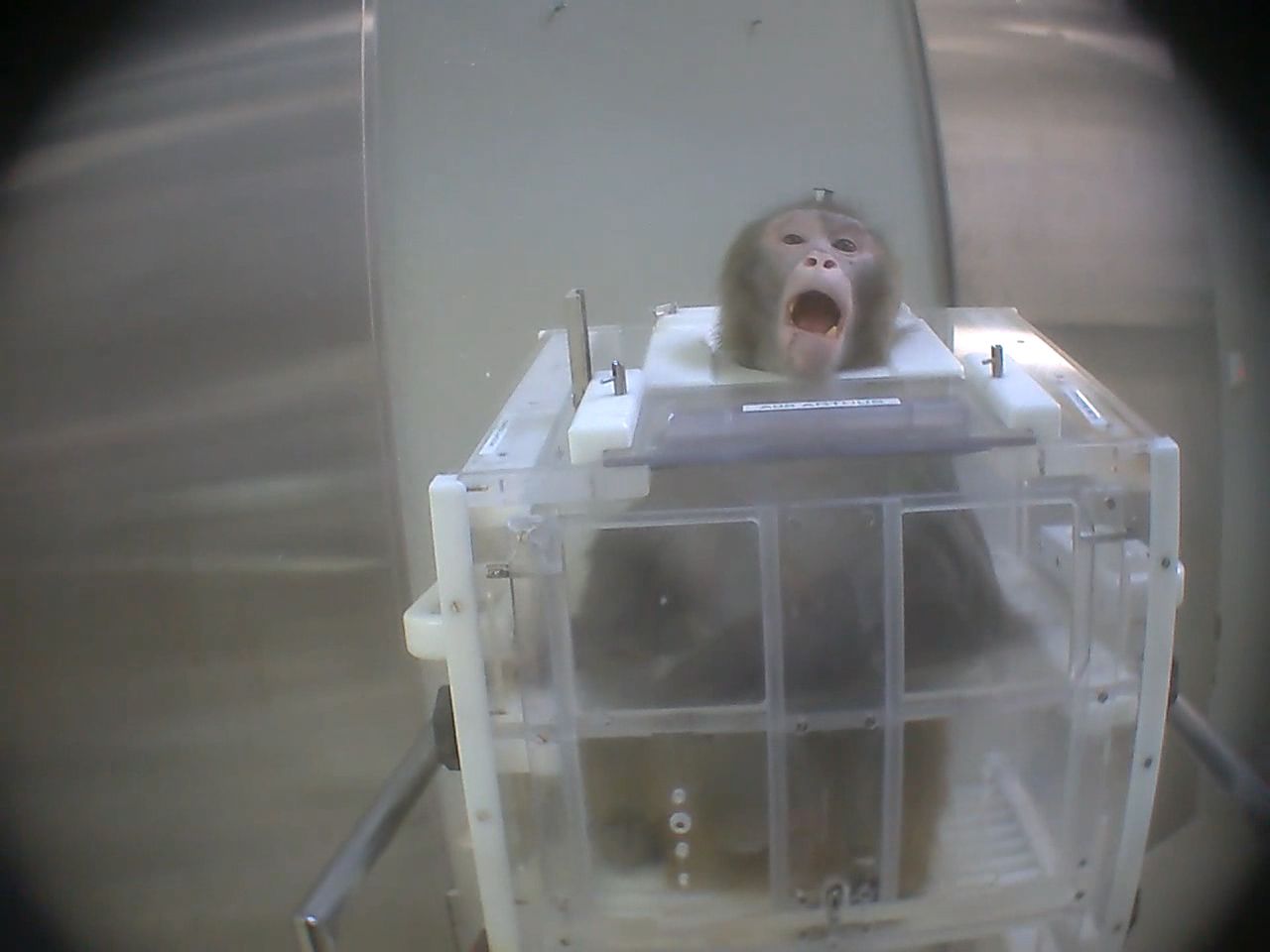
Primate chairs:
So-called 'primate chairs', such as those manufactured by Crist Instrument Co, are restraint devices which secure the individual in an unnatural sitting position (https://escholarship.org/uc/item/60w5n71t). Further restraint is often used through a neck plate which goes around the neck to prevent side-to-side or front to back movements of the head. The head may be severely restrained through the use of a post surgically implanted into the skull and held by part of the chair. Depending on the procedures being done, the arms and legs may be secured further by taping them to the chair supports. |
|
|
Head posts:
As the name implies, these are posts that are attached to the skull. Surgery is done on the head to dissect through skin and other tissues down to the surface of the skull. The post is cemented or screwed in place. Once healing has occurred, the post is used to restrain the head while recordings or other experimentation is done. It is almost always combined with a neck plate so that the non-human primate cannot move their heads. |

|
We do not believe we need to accept nor expand upon the researchers' reasons, justifications or findings relative to any research involving non-consenting beings such as non-human primates. Any information gained is at an unacceptable moral cost.
11 July 2026: Rhesus macaques forced into alcoholism by Russian scientists
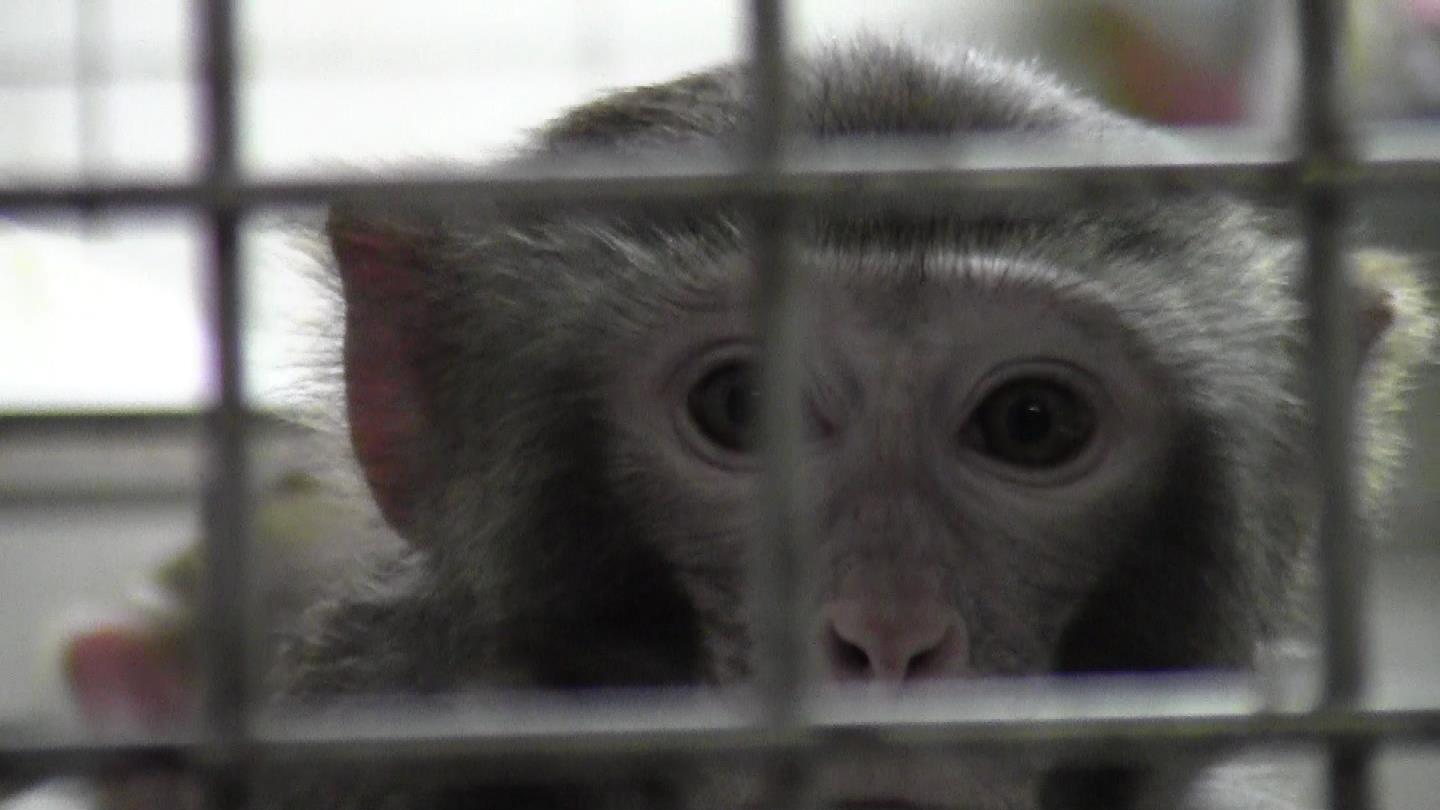
Thirty-six adult male rhesus macaques were used as human surrogates and forced to become 'alcoholics' in a Russian chronic alcohol experiment, that lasted over two and a half years, to see if behaviour could predict whether an individual would consume alcohol in the future (Panchenko et al 2026). The work was done at N.N. Petrov National Medical Research Center of Oncology.
The macaques, between 8-16 years old, whose ancestors were stated to be from China, India, Vietnam and other countries, were forced to live singly in small stainless-steel cages, with no meaningful social enrichment. They were coerced into drinking alcohol (ethanol) using sweeteners in an alcohol-water mixture. This resulted in what the researchers described as alcoholic motivation
after 62 days, at which time the macaques were drinking a 4% solution of alcohol. This continued for another 856 more days, with two periods of withdrawal (days 433 to 462 and days 721 to 750 of the experiment). Behaviour before and after alcohol exposure was recorded, as well as evaluated regularly drawn blood samples. No information was provided on the impact the alcohol had on the macaques and their reaction to repeated alcohol withdrawal, nor on their ultimate fate.
The researchers claimed that their primate model
allowed them to differentiate future light drinkers from moderate and heavy ones with high accuracy
prior to ethanol exposure. Alcohol addiction is a complex disease, compounded by genetics, socioeconomic issues, psychological factors and more. Imprisoning sentient non-human primates in single cages for years, and forcing them to consume alcohol, is an incredibly immoral and scientifically unreliable means of attempting to compare this with the situation in humans. Not only are the results of this experiment of no value to humans with the disease of addiction, humane and ethical studies on human patients can derive this information easily, with direct applicability for humans.
Panchenko, Andrey; Vladimir Kovalenko and Alla Panchenko 2026-02-28 Pre-Exposure Behavioral and Physiological Markers Predict Future Alcohol Consumption Under Free Choice in Rhesus Monkeys Journal of Studies on Alcohol and Drugs
We do not believe we need to accept nor expand upon the researchers' reasons, justifications or findings relative to any research involving non-consenting beings such as non-human primates. Any information gained is at an unacceptable moral cost.
09 May 2026: Squirrel monkeys forced through multiple pregnancies, then killed in NIH-funded USA research
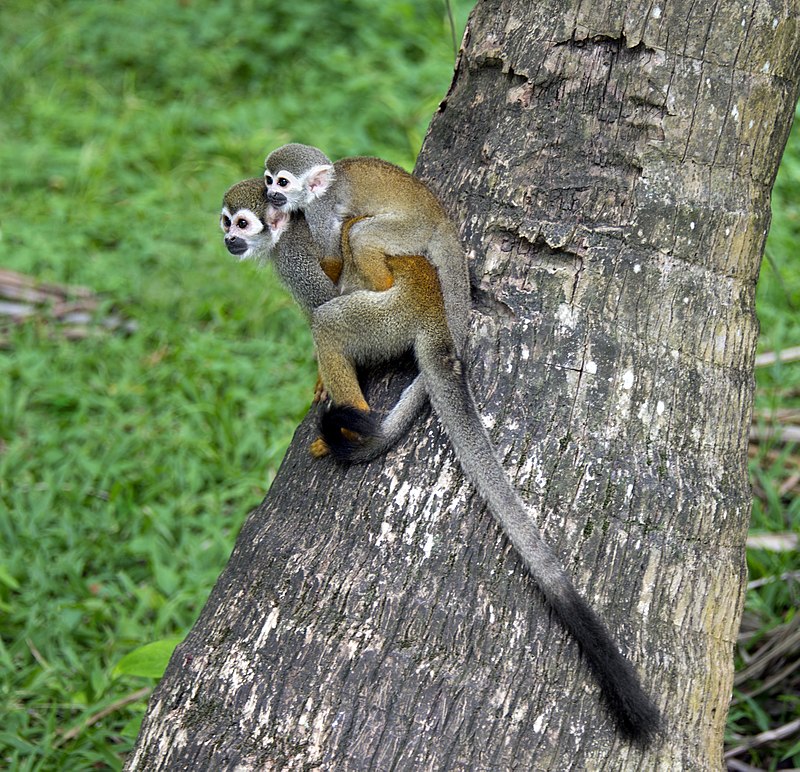
Squirrel monkeys were obtained from the Squirrel Monkey Breeding and Research Resource, which is located at the Keeling Center for Comparative Medicine and Research at The University of Texas MD Anderson Cancer Center, funded by grant P40OD010938 from the National Institutes of Health (NIH), costing the US tax payer tens of millions of dollars over the last several years.
Fourteen female squirrel monkeys were allowed to become pregnant numerous times starting at around four years of age. They were subjected to multiple episodes of capture, anaesthesia, MRI (magnetic resonance imaging) scanning and recovery for many years. Eventually, they were killed (euphemistically referred to as euthanasia
by the researchers) in order to get rectal tissue.
Because humans and squirrel monkeys are susceptible to pregnancy and age related pelvic floor injury, these researchers have been using squirrel monkeys as human surrogates for many years. This study reported here was to see if MRI could be used to measure external anal sphincter volume.
Not only are squirrel monkeys substantially different from humans in anatomy and reproductive physiology, there is no reason why directly relevant and humanely-derived information could not be obtained from humans. Although the research industry repeatedly claim they only use non-human primates when absolutely necessary, the work being done at this institution shows that such pronouncements are untrue or specious at best. The NIH claim they are going to focus on human-relevant research. To be true to their public proclamations, they must discontinue funding this squirrel monkey research and close this non-human primate 'factory': Squirrel Monkey Breeding and Research Resource.
Reference:
Chung, Christopher P.; Wilma I. Larsen and Thomas J. Kuehl 2025-12-01 "Magnetic Resonance Imaging Evaluation of Pregnancy and Aging on External Anal Sphincter Volume in Squirrel Monkeys" International Urogynecology Journal 36(12):2371-2377
We do not believe we need to accept nor expand upon the researchers' reasons, justifications or findings relative to any research involving non-consenting beings such as non-human primates. Any information gained is at an unacceptable moral cost.
30 April 2026: Shocking fate of Mauritius monkeys in UK laboratories

Harrowing video footage has revealed the shocking fate of long-tailed macaques exported from Mauritius and used in regulatory toxicity (poisoning) tests in UK contract testing laboratories. The video footage, entrusted to Animals International and Animals Australia, was taken by a concerned laboratory worker who became traumatised after witnessing the animal suffering.
Every year, Mauritius exports many hundreds of long-tailed macaques to testing laboratories in the UK. The most recent data (from 2025) provided by the Mauritius Government, show that 1,248 individuals were exported to the UK.
The video footage shows macaques—and other animals—suffering and distressed while subjected to stressful and highly invasive procedures used for the toxicity testing of pharmaceuticals and other products to comply with international regulatory guidelines.
Long-tailed macaques were routinely subjected to toxicity testing that includes a procedure called oral gavage (see first image) in which macaques were forcibly held by one staff member while a second forced a tube down their throat and injected the test substance directly into their stomachs. As reported in the Mail on Sunday, the former laboratory worker stated, The primates would struggle, cry out and scream to avoid the tube from being forced into their mouths.
Some of the monkeys were used in repeat dose testing in which they were subjected to oral gavage every day for up to nine months.
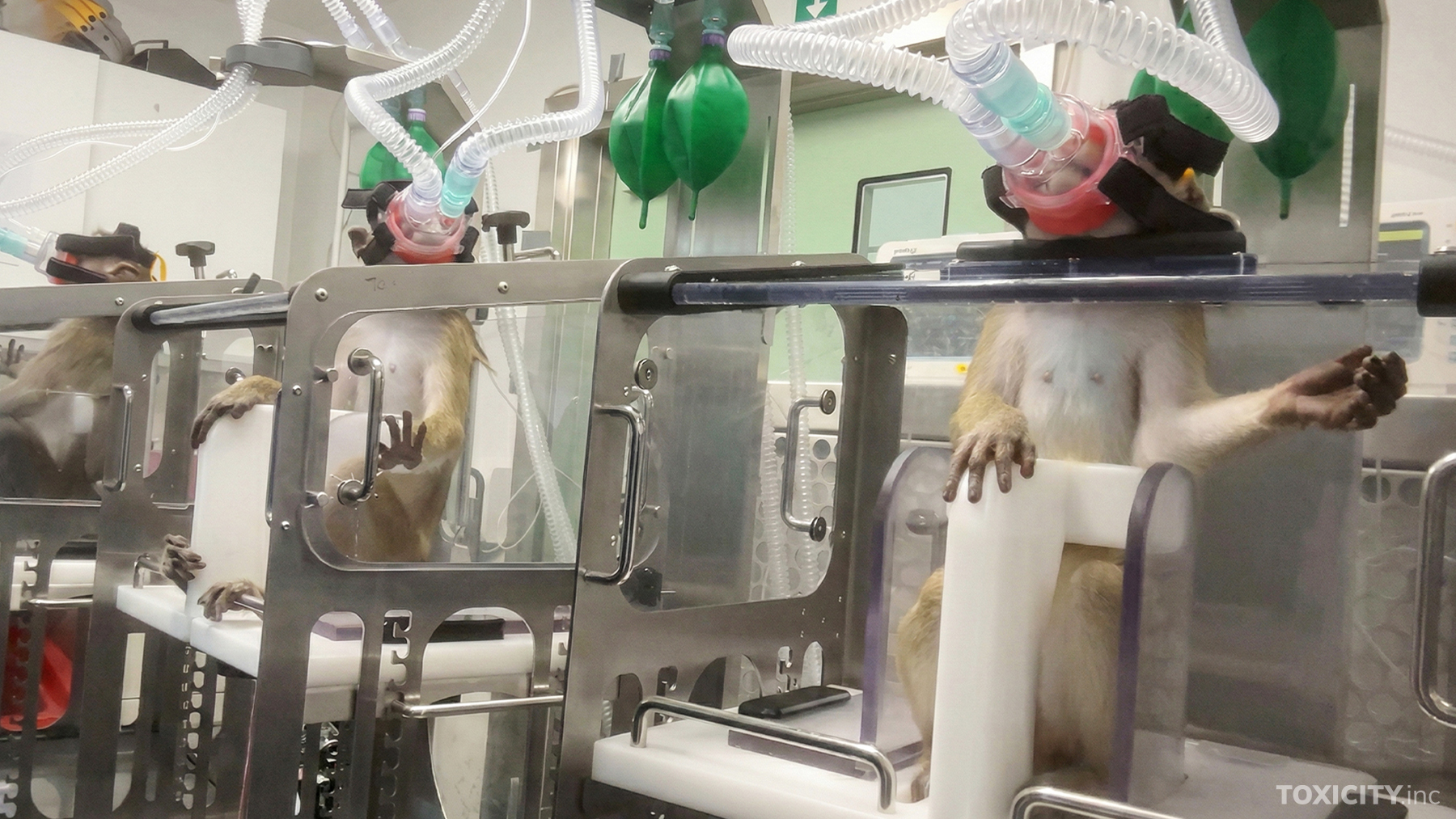
In other distressing tests filmed by the former worker, monkeys struggled as they were held in a restraint device with a mask strapped to their face through which they were forced to inhale the test substance as it was pumped in (see second image).
Toxicity testing is a frightening and traumatic ordeal for these intelligent, social and sensitive animals; especially for those who suffer adverse reactions. At the end of the tests, the monkeys are killed; their bodies dissected and examined.
In Mauritius, long-tailed macaques will also suffer the same fate—subjected to these invasive and stressful procedures—if the government goes ahead with plans to allow toxicity testing to be carried out on macaques in the country.
Action for Primates is campaigning with other animal groups, including Monkey Massacre in Mauritius, in urging the Government to protect long-tailed macaques and stop their trade and use in research and toxicity testing. Instead, we call on the Government to support humane and human-relevant technologies that are now available, such as in vitro systems, organ-on-chips and AI (artificial intelligence) modelling.
The suffering of Mauritian long-tailed macaques in UK toxicity testing laboratories has been reported in the Mauritius news media. It follows a public outcry in the UK after publication of images in the Mail on Sunday newspaper in which it was revealed that other long-tailed macaques have been used to test new weight loss drugs. See https://www.dailymail.com/news/article-15745129/Pictured-monkeys-force-fed-test-fat-jabs-Screaming-agony-pictures-expose-barbaric-cruelty-UK-laboratories-shames-weight-loss-industry.html
04 April 2026: Marmosets genetically modified to be born deaf in German research
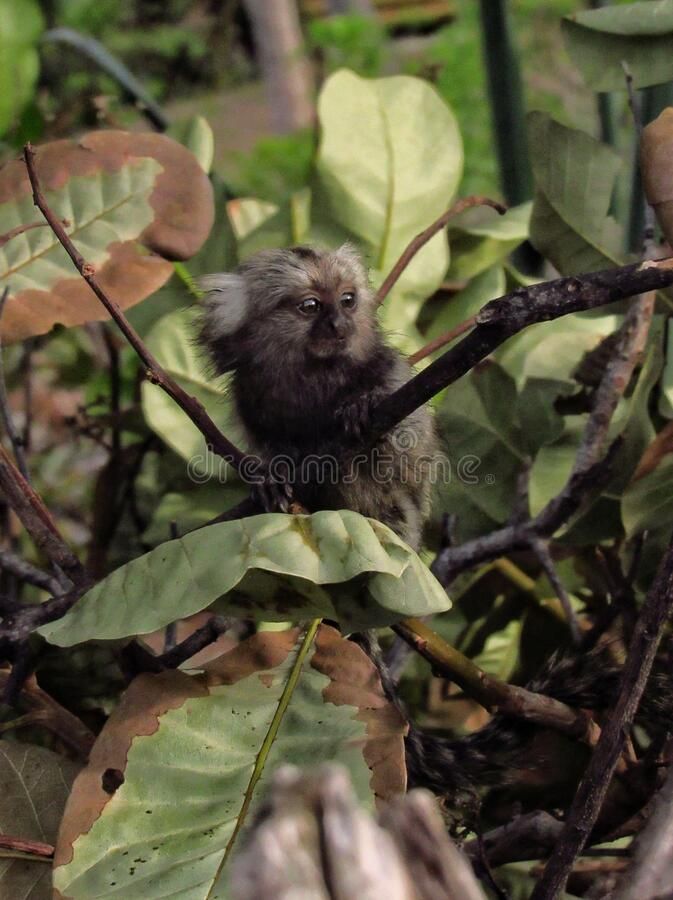
Using a gene 'knock-out' technique, researchers at several institutions in Germany, including the German Primate Center, the University Medical Center Göttingen and the Max Planck Institute for Multidisciplinary Sciences, have genetically modified marmosets to be born deaf. The intent is to 'create' an animal "model" for studying deafness with the hope of understanding and treating hearing loss in humans (Kahland et al 2026).
In addition to the important animal welfare and moral issues raised by the genetic modification of animals, this is yet another example demonstrating the continued callous and scientifically contentious practice of using non-human primates as surrogates for human conditions. Instead of developing techniques that may lead to a rise in the use of these individuals in research, scientists should be focusing their efforts on the development of humane and more human-relevant approaches. Critically, marmosets will continue to suffer in experiments, confined in cages, imprisoned for a life with no access to a natural environment or the ability to make life-choices that are important to them. Their 'thanks' for this servitude is to be killed at some point, whether as part of an experiment or when they are no longer 'useful'.
Reference:
Kahland, Tobias et al 2026-03-28 "Generation of marmoset monkeys with a non-mosaic disruption of the OTOF gene as a model of human deafness" Nature Communications 17(1):3033
We do not believe we need to accept nor expand upon the researchers' reasons, justifications or findings relative to any research involving non-consenting beings such as non-human primates. Any information gained is at an unacceptable moral cost.
01 March 2026: Tragic case of baby snow monkey born in Japanese zoo
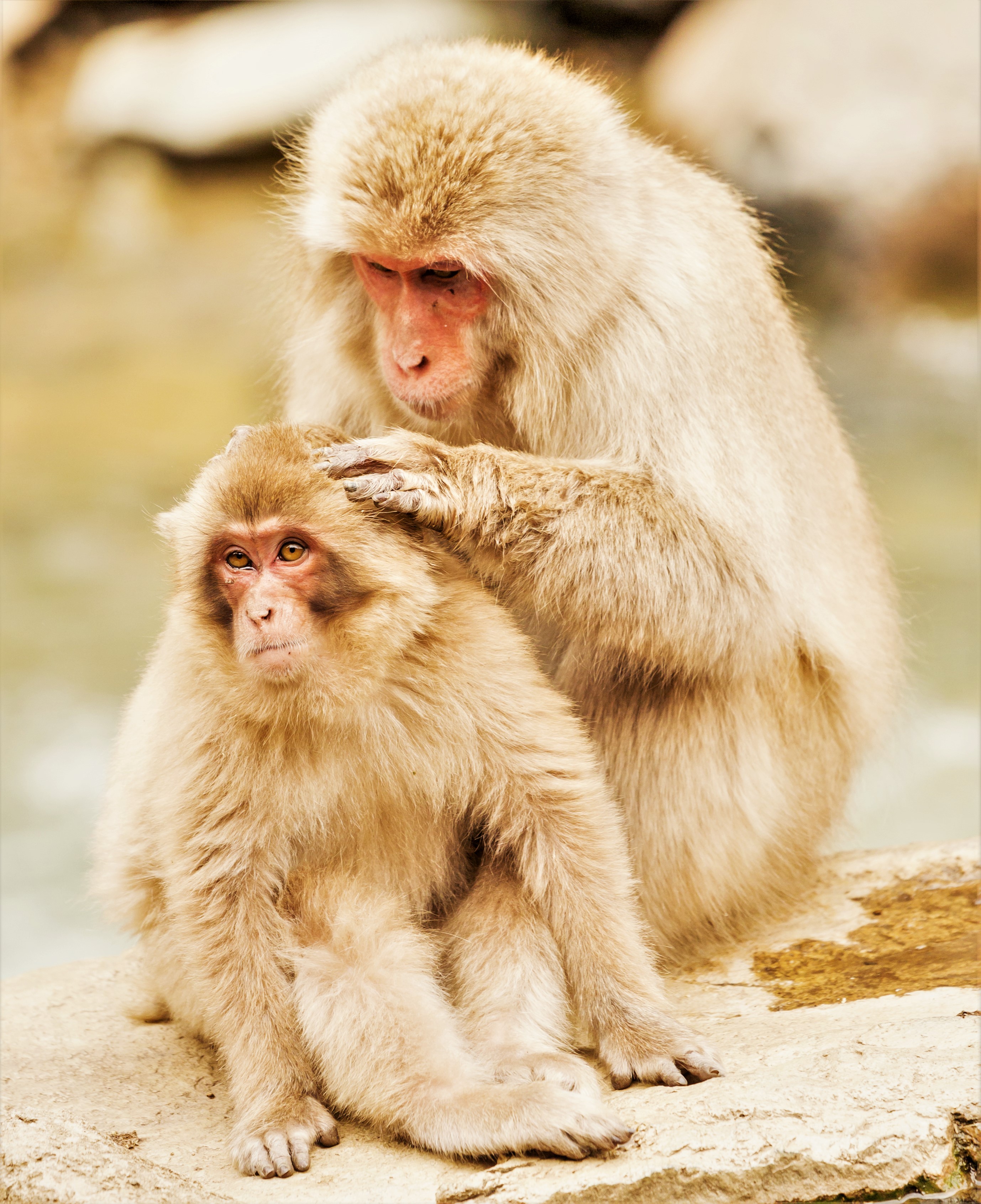
The case of 'Punch', a baby Japanese macaque (also known as a snow monkey) illustrates the inhumanity of zoos. Although the international news media are characterising this individual as "the most beloved monkey" on the Internet, the underlying story is one of tragedy. The baby was born at the Ichikawa City Zoo near Tokyo, Japan. According to the zoo, the infant was rejected by his mother, and instead raised by staff without his biological family. When it was time to reintegrate him with the rest of the troop, he was met with further rejection. A stuffed toy orangutan was offered to appease him and, desperate for physical contact with another macaque, he became attached to the toy. This is extremely sad, not a cause for celebration. The plight of this vulnerable infant, who is suffering the trauma of loss and rejection from his family and troop, is being exploited.
Like all macaques, Japanese macaques are highly social and infants stay with their mothers for years, learning how to live and integrate into the family and extended family. The deprivation of maternal contact during early development has caused and will continue to cause potentially serious physical and mental problems for this infant.
Wild animals do not belong in zoos, which are highly unnatural environments that can never replicate the freedom and complexity of the animals' natural habitats. Far from being an 'educational' environment, zoos are primarily a source of 'entertainment' for humans. Snow monkeys are indigenous to Japan and live freely in the country, raising the question of why Japanese zoos are imprisoning them as an "attraction". Rather than learning anything useful about the imprisoned animals, people, particularly children, learn that it is acceptable to imprison others at our whim. Zoos are anathema to a compassionate society and should be banned.
Learn more about the inhumanity of zoos: https://actionforprimates.org/public/afp_zoos.php
19 February 2026: Monkeys forced to consume alcohol by Canadian researchers in St Kitts and Nevis
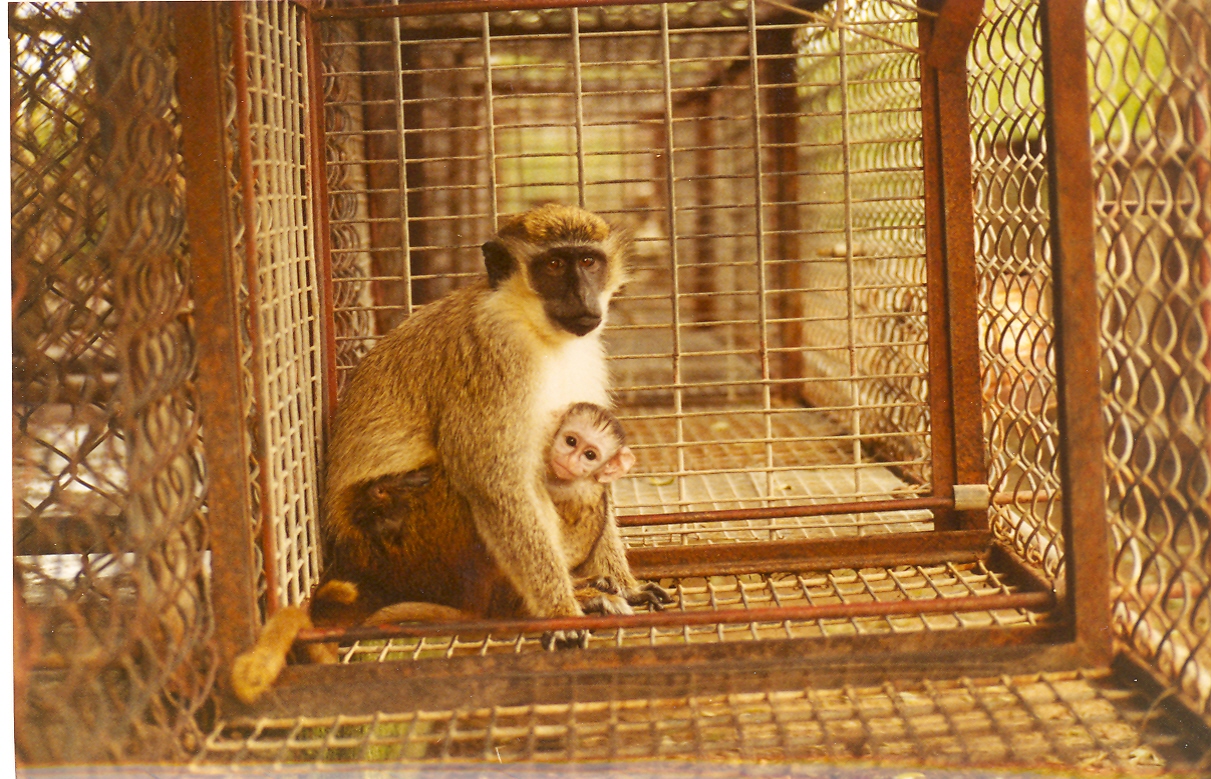
African green monkeys (also called green monkeys) were used in a meaningless experiment by Canadian scientists at the Behavioural Science Foundation in St Kitts and Nevis (Bellemare et al 2025). The experiment was approved by animal use committees of the University of Montreal and the Behavioural Science Foundation, and funded by grants from the Canadian Institutes of Health Research and the Natural Sciences and Engineering Research Council of Canada.
Forty-nine pregnant green monkeys were used. Twenty-seven of them had been coerced into drinking alcohol-laced water (euphemistically referred to as "self-administration" and "the monkey decides to drink alcohol" by the researchers). The other 22 were used as 'controls'. Exposure to alcohol was timed to start after the second month of the pregnancy and continued until the birth of a single infant. Each of the 'control' monkeys also gave birth to a single infant.
For the alcohol consuming monkeys, water with an alcohol concentration of 10% was made available for four hours every day, four days a week. This was to prevent miscarriage and abnormal behavioural complications caused by alcohol.
The infants were taken from their mothers and anaesthetised so that various tests could be done on them. The tests are routinely done on human patients and included determining eye pressure, electrical activity in the retina and the amount of oxygen in the retinal blood vessels. Although there were differences in the results between the two groups of infants, the infants of alcohol-exposed mothers "looked otherwise healthy". No mention was made of the ultimate fate of the mothers and infants.
Because humans do drink alcohol during pregnancy, studying them would benefit them and their children, using humane and ethically defensible techniques. The researchers in this monkey experiment even cited examples of these studies, the results of which are directly relevant to the human situation. There was no reason to subject these monkeys to the inhumanity of captive life, being forced to consume alcohol and being subjected to capture and the unpleasantness of anaesthesia. This immoral treatment of our closest biological relatives continues despite the research community claiming they use non-human primates only when necessary and only for research vital to human health. This experiment is just one more example of the disingenuousness of such claims.
Bellemare, Guillaume; Catarina Micaelo-Fernandes; Hadi A. Belanger; Marie-Lou Garon; Maurice Ptito; Roberta M. Palmour; Sergio Crespo-Garcia and Jean-François Bouchard 2025-11-01 "Impact of prenatal alcohol exposure in midlife: an assessment of the retina in the vervet monkey" Experimental Eye Research 260:110638
We do not believe we need to accept nor expand upon the researchers' reasons or justifications for doing any research involving non-consenting beings such as non-human primates. Any information gained is at an unacceptable moral cost.
09 February 2026: Animal groups condemn inhumane monkey transports from Mauritius
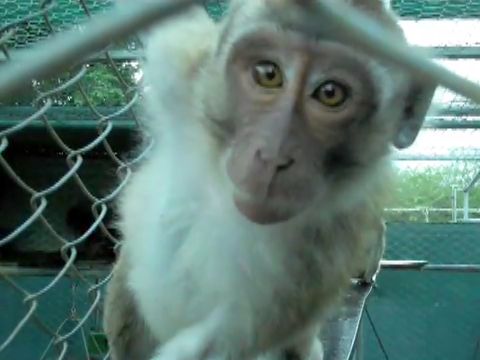
Animal protection groups continue to raise concerns about the ordeals suffered by long-tailed macaques (Macaca fascicularis) transported by air from Mauritius to the USA. Most recently, macaques exported from Mauritius on 27 January 2026, endured a 28-hour ordeal. A whistleblower disclosed that the macaques were exported by Bioculture Mauritius Ltd., for its sister company BC US LLC located in Immokalee, Florida. The macaques were transported by SkyTaxi IGA418, leaving Mauritius at 21:18 on Tuesday 27th January and reaching Miami International Airport at 17:10 on Wednesday 28th January. This transport time did not include the many hours involved in the initial loading and final unloading of the macaques at airports, nor the road transport to and from the airports in Mauritius and the USA.
The arduous journey involved three flights, with stopovers in Toulouse and New York. The flight time from Mauritius to Toulouse was 12 hours and 12 minutes. The stop in Toulouse lasted one hour and twelve minutes. This would not have been long enough for the macaques to be individually checked and provided with food and water if needed. The next stop was John F. Kennedy International Airport almost eight hours later.
The animal protection groups, including Monkey Massacre in Mauritius, Action for Primates and Cheshire Animal Rights Campaigns, have previously raised concerns about the welfare of macaques exported from Mauritius, the impact that the extremely long and stressful transportation has on them, and whether providing food and water en route and carrying out necessary health and welfare checks on hundreds of macaques confined individually in small crates, can be done adequately. They believe that the Mauritius government is failing in its obligations under Article IV of the Convention on International Trade in Endangered Species of Wild Fauna and Flora (CITES) (Regulation of Trade in Specimens of Species Included in Appendix II). Paragraph (c) requires that a Management Authority of the State of export is satisfied that any living specimen will be so prepared and shipped as to minimize the risk of injury, damage to health or cruel treatment...
Examples of other transports from Mauritius have involved hundreds of macaques at any one time, which lasted for as long as 44 hours, and included multiple international flights with five or six stop-overs. During transport, the macaques are forced into small single transit crates which do not allow normal postural adjustments and provide none of the direct socialisation critical for welfare and well-being. It is well-known that transportation of macaques, whether by road or air, is extremely stressful for them and can lead to distress and death.
A particularly serious incident in 2025 involved a failure to provide water en route during one transport that took over 40 hours from Mauritius to the USA (Miami), involving six flights and five stop-overs, between 6-8 July 2025, This failure came to light as a result of a routine inspection by US Department of Agriculture (USDA) inspectors at Miami airport. On this occasion, 500 macaques, transported by SmartLynx Malta, were not offered potable water at the required frequency (at least every 12 hours) as required under the US Animal Welfare Regulations (Section 3.89). The USDA Inspection Report documenting the critical violation by the broker—ACA International LLC—of the shipment stated: Failure to provide water at appropriate intervals can lead to dehydration or other conditions that could be harmful to the health and well-being of the animals.
The USDA also cited SmartLynx Malta for improperly stacking crates of macaques in this shipment, making numerous animals inaccessible to flight crews.
Sarah Kite, Action for Primates, stated: It is unquestionable that the lengthy transportation and confinement conditions for the long-tailed macaques exported by Mauritius are inhumane. We are calling for an urgent investigation into the concerns we have raised and the country's compliance with CITES regulations.
18 January 2026: Macaques suffered in meaningless research in Japan to study motivation in people
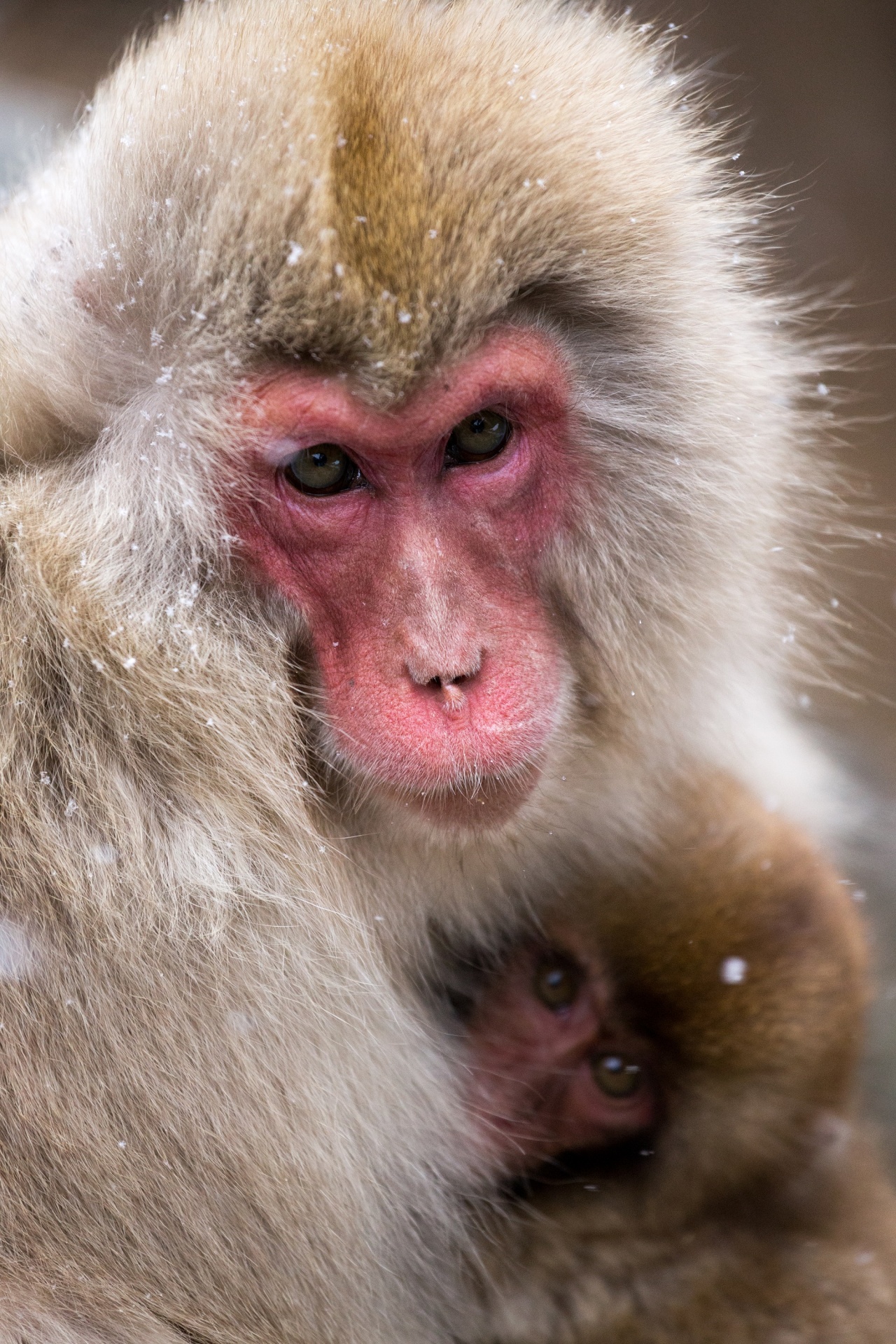
In research to study human motivation under aversive conditions, Japanese macaques were subjected to brutal head surgery and killed at Kyoto University, Japan (OH 2026). This inhumane research which had no clinical applicability to people—in whom the information is easily obtained—was approved by the university's animal use committee (approval number 24097).
Two adult Japanese macaques (also known as snow monkeys) were subjected to craniotomy, a highly invasive surgery through the skull, in order to implant a recording chamber using bone cement and screws. Although antibiotics were given after the surgery, there was no mention of any pain relief. After "full recovery", another surgery was done to remove the skull over the target regions of the brain.
The macaques were "trained" to respond to certain stimuli by restricting water availability sufficiently to create a degree of dehydration (thirst) that would 'motivate' them to respond. This inhumane fluid restriction was continued throughout the testing period.
Testing was done using electrodes driven into the brain. Viral proteins were also injected into brain. The tests were done with the macaques restrained in a soundproof dark booth. In order to get a fluid reward, the macaques had to look at a point in space. Puffs of air to the face were used to try to dissuade the macaques from responding in order to test their degree of "motivation". A test drug was injected into the brain to modify the responses. After the testing was done, the macaques were killed under anaesthesia to get brain tissue.
The researchers were using the macaques to try to understand "motivation". The situation in the macaques, however, is not analogous to the situation in humans. The macaques had to endure the stress of captivity in a laboratory, the pain and suffering of invasive head surgery, being without sufficient water for periods of time and, ultimately, death for something of no value to their species and which could easily be determined in humane, ethical studies in human volunteers.
OH, Jung-min N.; Satoko Amemori; Ken-ichi Inoue; Kei Kimura; Masahiko Takada and Ken-ichi Amemori 2026-01-09 "Motivation under aversive conditions is regulated by a striatopallidal pathway in primates" Current Biology S0960-9822(25)01688-4
|
Craniotomy:
This is a surgical procedure to access the brain. Typically, an area on the head is shaved. An incision is made through the skin and tissues underlying it, down to the surface of the skull, in such a way as to create a flap that can be pulled away to expose the skull. Depending on what type of access to the brain is required, holes may be drilled through the skull into the brain cavity, for example for injections, or a portion of the bone may be cut out in order to implant a bank of electrodes. When done, bone cement may be used to fill in the hole in the skull and the overlying tissues sutured. |
|
We do not believe we need to accept nor expand upon the researchers' reasons or justifications for doing any research involving non-consenting beings such as non-human primates. Any information gained is at an unacceptable moral cost.
09 January 2026: Mauritius government fails to acknowledge or respond to global appeal over plight of monkeys
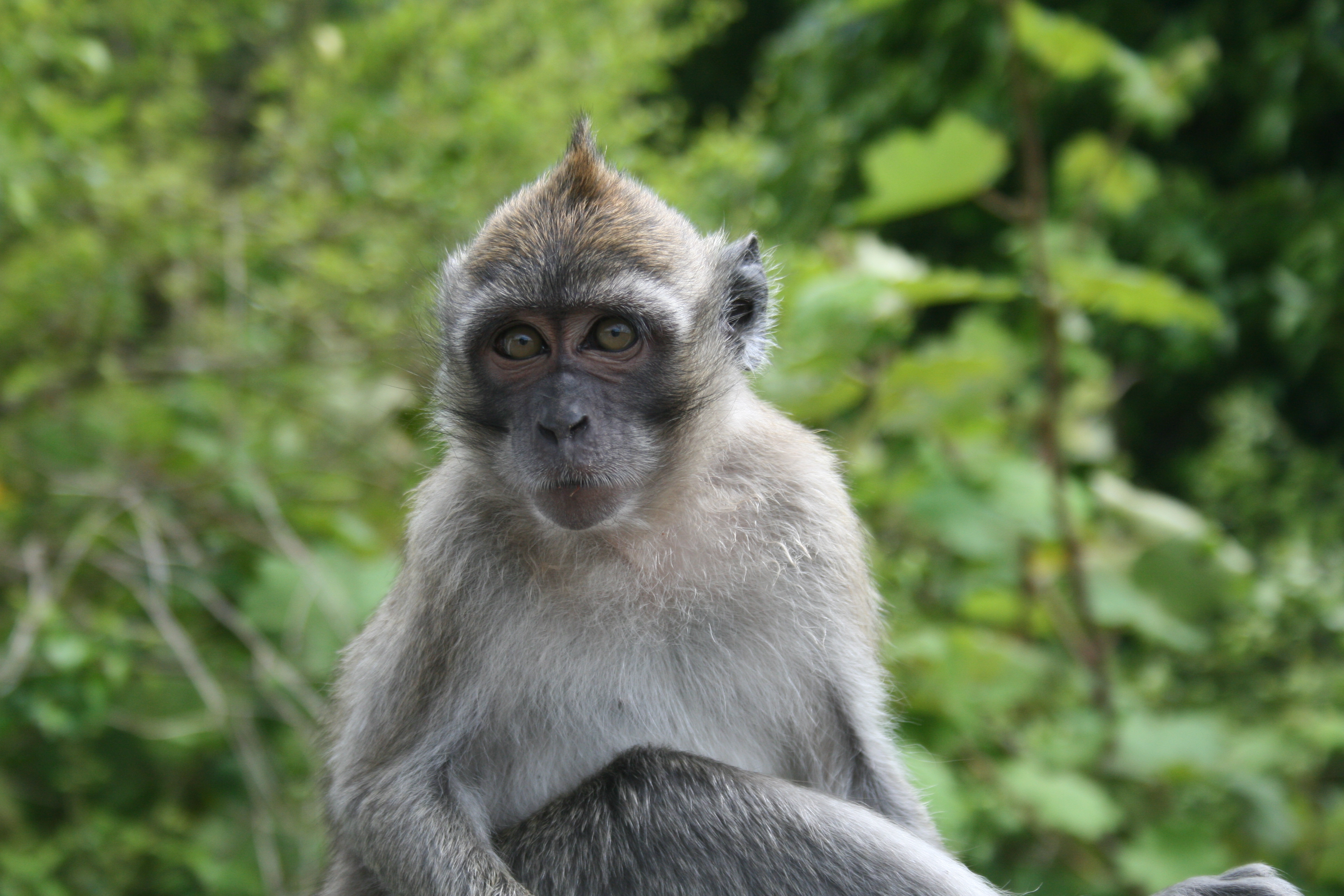
A global appeal to the government in Mauritius regarding the plight of long-tailed macaques living there has gone unanswered. It was sent on 21st October 2024, to Dr the Hon Arvin Boolell, the Minister of Agro-Industry, by Asia for Animals Coalition (AFA) on behalf of its network of over 200 local, national and international animal protection and conservation organisations. The organisations urged the Mauritius government to provide protection to long-tailed macaques and to end the country's capture of wild monkeys for export, breeding and use in experiments. Following the failure by Dr the Hon Arvin Boolell to acknowledge or respond to the letter, a second appeal has been sent, this time to the Prime Minister, Dr the Hon Navinchandra Ramgoolam.
The appeals stem from information that was recently uncovered that points to a failure by Mauritius to comply with its obligations under the Convention on International Trade in Endangered Species of Wild Fauna and Flora (CITES), in issuing permits for the export of long-tailed macaques, an Appendix II CITES-listed species (see Notes). A request has been sent to the CITES Secretariat that it investigates the status of Mauritius's compliance with its obligations under Article IV of the CITES Convention.
The long-tailed macaque is the most heavily traded non-human primate species and the most widely used in laboratories. There has been an alarming escalation in the numbers exported from Mauritius. Between 2015–2023, 103,397 long-tailed macaques were exported from Mauritius, primarily to the United States, Canada, the UK and EU for use by the research and toxicity (poisoning) testing industry, and between 2020–2023, 12,304 long-tailed macaques sourced as wild-caught were exported.
In a separate letter sent to Dr the Hon Arvin Boolell by several animal protection groups (Action for Primates, Monkey Massacre in Mauritius, PeTA and Cheshire Animal Rights Campaigns) on 29th October 2024, concerns were raised about Mauritius' compliance with clause (c) of the Article IV of the CITES Convention: ...a Management Authority of the State of export is satisfied that any living specimen will be so prepared and shipped as to minimize the risk of injury, damage to health or cruel treatment...
This letter has since remained unanswered. Long-tailed macaques exported from Mauritius by air are being subjected to inhumane conditions, including lengthy transportation times that severely compromise their welfare. For example, in May 2025, Action for Primates received information that 800 long-tailed macaques transported by air from Mauritius to Miami, were subjected to a journey of over 43 hours, involving seven flights and stop-overs in Ethiopia, Greece, France, Iceland, Boston, New York and Miami; there was an eight and a half hour stop-over in Paris. The 43 hours does not include the hours spent at Sir Seewoosagur Ramgoolam International Airport, nor the unloading in Miami and the onward journey by road to the US importer's premises.
Sarah Kite, Action for Primates stated:
The lack of response from the Mauritius government to this global appeal by the animal protection movement is indicative of the government's dismissive attitude towards the plight of long-tailed macaques. Regardless of whether the macaque population is native or introduced, it is a CITES-listed species and, as such, Mauritius has an obligation to comply with the CITES convention regarding their trade and transportation. It is unconscionable that the Mauritius government will not even acknowledge the appeal, while continuing to persecute and exploit the monkeys..
Mansa Daby, founder, Monkey Massacre in Mauritius, stated:
In addition to the letter sent to Minister Boolell, I have tabled at a meeting with the Division of Veterinary Services of his Ministry autopsy reports of macaques who died of cardiac arrest during air transport and documented findings by the U.S. Department of Agriculture identifying serious animal welfare violations.
The macaque breeders routinely capture monkeys not only from the wild but also from residential and agricultural areas under so-called 'nuisance control' operations. This revolving door between public authorities and commercial operators raises serious concerns about governance, animal welfare, and Mauritius' compliance with its international obligations.
NOTES:
Article IV of the CITES Convention: An export permit shall only be granted when the following conditions have been met: (a) a Scientific Authority of the State of export has advised that such export will not be detrimental to the survival of that species; (b) a Management Authority of the State of export is satisfied that the specimen was not obtained in contravention of the laws of that State for the protection of fauna and flora; and (c) a Management Authority of the State of export is satisfied that any living specimen will be so prepared and shipped as to minimize the risk of injury, damage to health or cruel treatment...
(https://cites.org/eng/disc/text.php)
The obligation under clause (a) (an export permit shall only be granted when a Scientific Authority of the State of export has advised that such export will not be detrimental to the survival of that species
) involves establishing a quota and providing an explanation of the scientific basis by which it was determined that the quota would not be detrimental to the survival of the species in the wild. This is known as Non-Detrimental Findings or NDFs.
NDFs are required by the Convention for any export of a CITES-listed species, regardless whether the population is native or introduced. An NDF usually involves population surveys. No population census on wild long-tailed macaques, however, has been carried out in Mauritius since the 1980s. If there are no recent population surveys, the Mauritius authorities cannot conclude that the export trade does not have an impact. Wild long-tailed macaques are also captured by macaque farms for breeding purposes, which has a further impact on the population.
Contact us via E-mail
Copyright © 2020-2026 Action for Primates. All rights reserved.