Action for Primates



|
Action for Primates |
|
|
The following are take action items we have posted in 2026. See elsewhere for take action alerts from other years. In addition to the Take Action entries below, you can click here for petitions you can sign and share to help non-human primates around the world.
Index of action alerts; select date & title to access:
08 September 2026: Macaques subjected to highly invasive surgery to study brain function at Newcastle University, UK
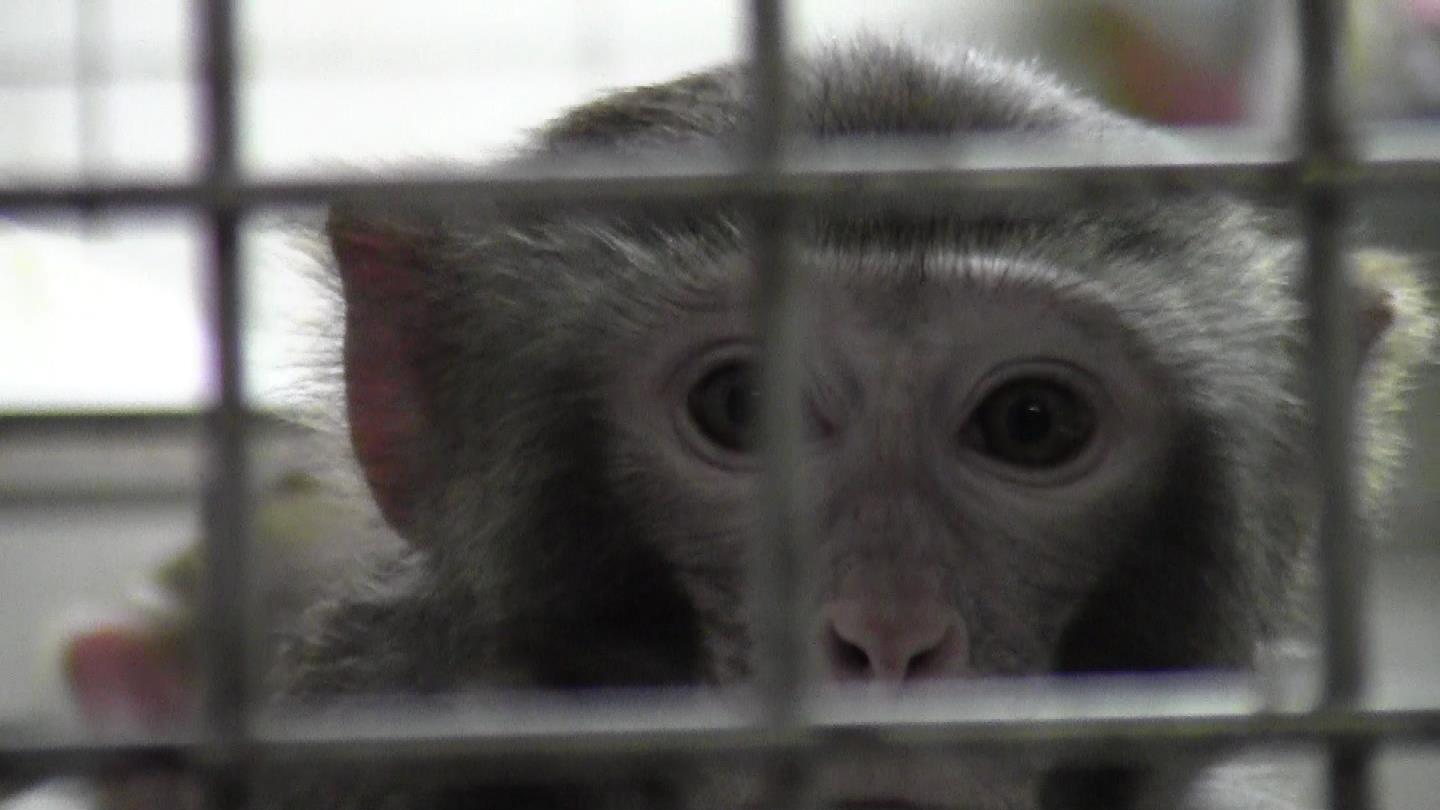
Researchers at Newcastle University and University of Cambridge in the UK, subjected six female rhesus macaques to brutal surgery and extensive anaesthesia with muscular paralysis in order to study nerve cells in the brain and spinal cord (Glover et al 2026). The work was done at Newcastle University (project license: 70/8044), approved by their Animal Welfare and Ethical Review Board and supported by The Reece Foundation.
No further information was provided about the rhesus macaques to indicate from where they came, who they were, how they had been housed, what history they had in the laboratory. There was no acknowledgement that they were sentient beings, each a subject of a life that mattered to them. Instead, the researchers clearly viewed these individuals as mere tools to achieve the researchers' curiosity-driven ends. As all reasonable people should, we found this to be morally unconscionable.
The macaques were anaesthetised and subjected to the following: insertion of a catheter into the bladder; tracheotomy (cutting open the airway); implantation of catheters into the major blood vessels in the neck (carotid artery and jugular vein); peeling away the skin from the skull in order to screw in a frame for anatomical purposes; a craniotomy in order to access the brain and insert multiple electrodes; and laminectomy to expose the spinal cord. After these procedures, the macaques were paralysed using a neuromuscular blocking drug called atracurium.
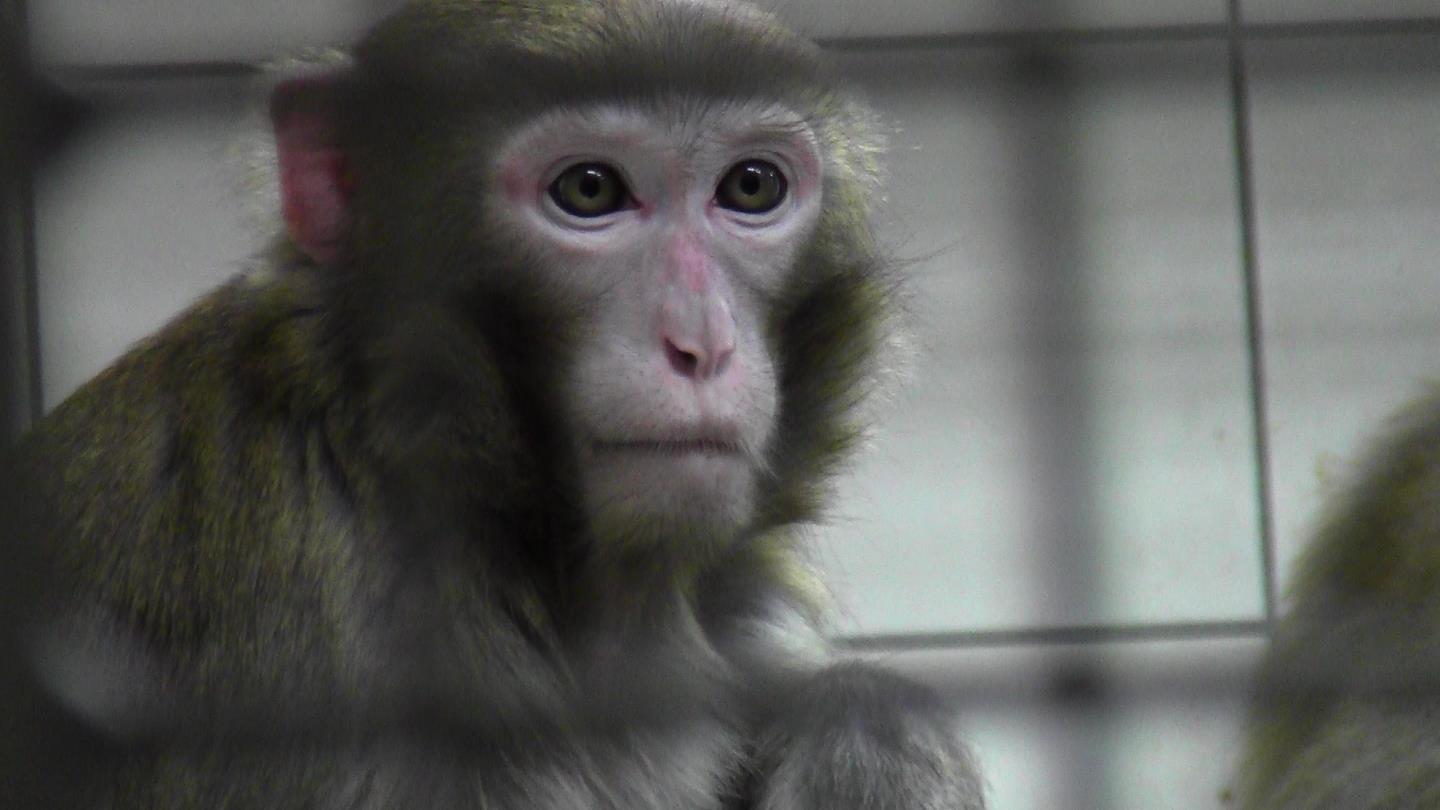
It was not stated how long the macaques were kept in this anaesthetised and paralysed state. It can be inferred, however, that it was likely several days because the researchers were concerned about sepsis—a life-threatening condition—and provided an antibiotic every 12 hours. During this time, thousands of recordings were made from the brain and spinal cord, after which the macaques were killed.
The researchers compared their findings with those already known from similar human studies. This begs the question of why these macaques were subjected to such brutal conditions when useful, clinically applicable—and humanely-derived—data were available from studies in humans.
The public are repeatedly told that non-human primates are used in research only when absolutely necessary and only when there are no other alternatives available. Although the macaques in this unquestionably inhumane experiment were anaesthetised throughout and monitored, there is simply no way for anyone to know what the individual experiences under these conditions; human beings under similar situations (not for as long) have indicated that it was problematic, that they were aware of being manipulated and that they felt pain (Leslie et al 2010; Radovanovic et al 2011). Not only is the information in macaques irrelevant to humans given the fundamental differences between the two species, humane and ethical clinical studies have been and can continue to be done on human patients and volunteers in order to get data that are directly applicable to humans.
What you can do to help:
Cited information:
|
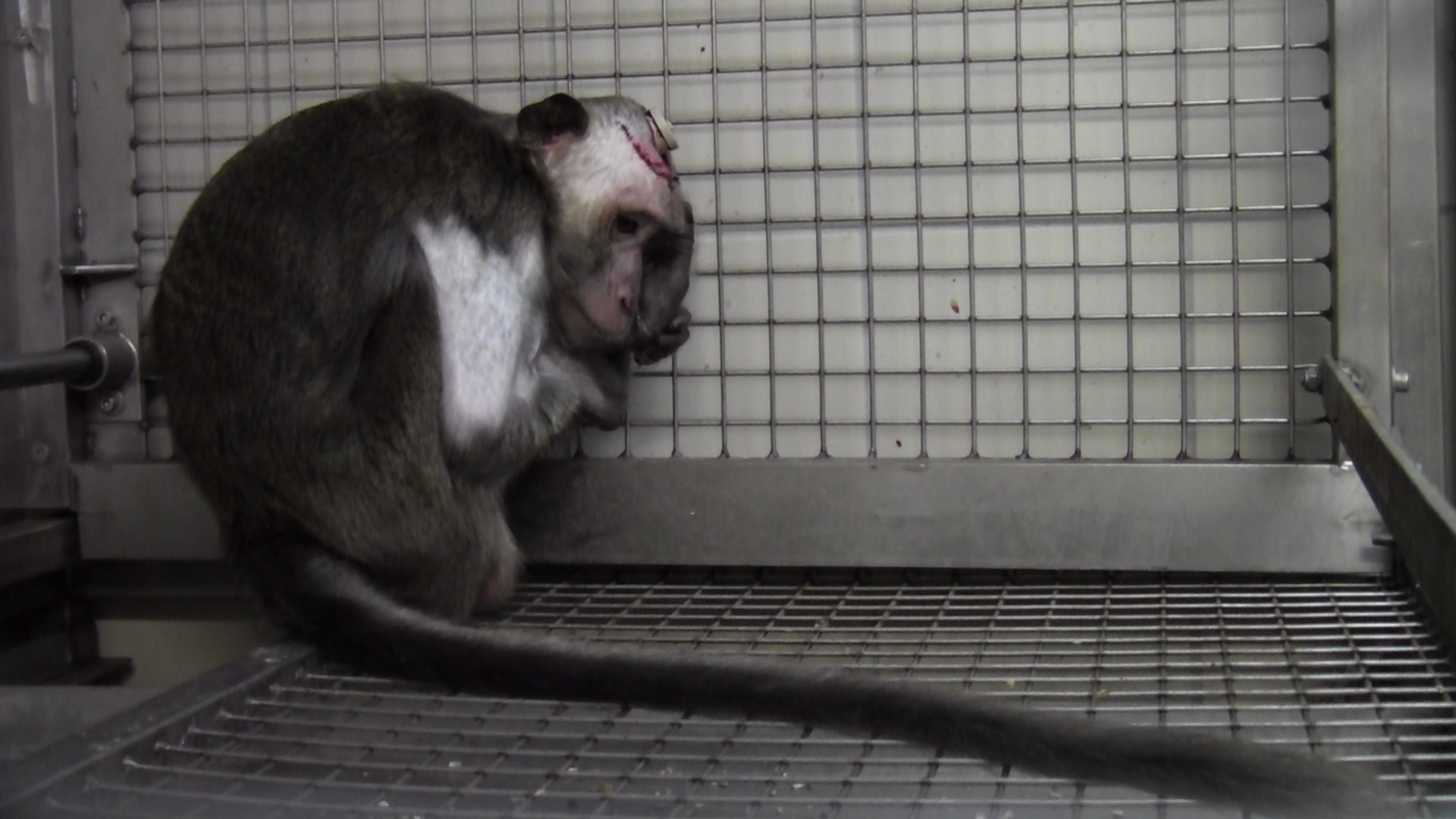
Craniotomy:
This is a surgical procedure to access the brain. Typically, an area on the head is shaved. An incision is made through the skin and tissues underlying it, down to the surface of the skull, in such a way as to create a flap that can be pulled away to expose the skull. Depending on what type of access to the brain is required, holes may be drilled through the skull into the brain cavity, for example for injections, or a portion of the bone may be cut out in order to implant a bank of electrodes. When done, bone cement may be used to fill in the hole in the skull and the overlying tissues sutured. |
|
|
Laminectomy
This procedure is used to expose the spinal cord. The skin over the back is incised and peeled away and further dissection is done to reach the vertebrae (the bones enclosing cord). The bone is cut away until the cord is exposed. |
|
Neuromuscular blocking drugs
These cause paralysis of most muscles in the body, but do not render the individual unconscious nor do they prevent the ability to feel pain. The individual has to be artificially ventilated (so that they can 'breathe'). If they are not also anaesthetised, they will be aware of what is happening to them and can feel painful stimuli, but without being able to show signs of this in the usual way by moving or blinking. Even if anaesthetised, there may be a degree of consciousness and pain perception if the anaesthesia is inadequate to suppress these. In some cases, no anaesthesia is provided because it would interfere with certain types of experimental recordings. In these cases, it is certain from human studies that the individual will experience extreme anxiety and fear despite the artificial respiration. |
We do not believe we need to accept nor expand upon the researchers' reasons, justifications or findings relative to any research involving non-consenting beings such as non-human primates. Any information gained is at an unacceptable moral cost.
17 August 2026: URGENT: Tanzania planning to restart commercial export of baboons
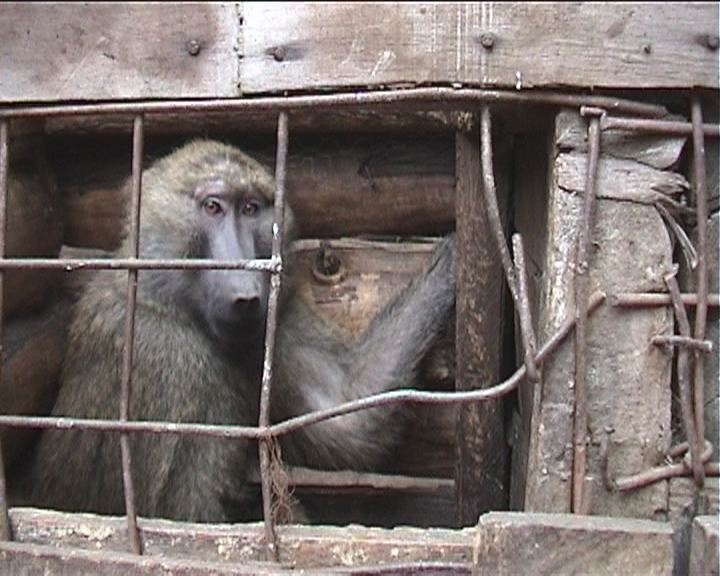
In a disturbing development, it has been reported that the government in Tanzania ...has finalised plans to revive commercial business in baboons and monkeys, with aim to reduce their numbers in residential areas across the country and generate revenue
. Action for Primates is concerned that such a revival in commercial trade could result in hundreds (possibly thousands) of wild baboons being trapped every year and exported to overseas laboratories. It is incongruous that this possibility should happen at a time when there is a growing political and scientific move towards ending the use of non-human primates in research.
According to the CITES trade database, there have been no exports of baboons from Tanzania since 2015. Between 2000 and 2015, hundreds of wild-caught hamadryas, olive and yellow baboons were exported, including to the USA, China and Pakistan for purposes of general trade, zoos and research.
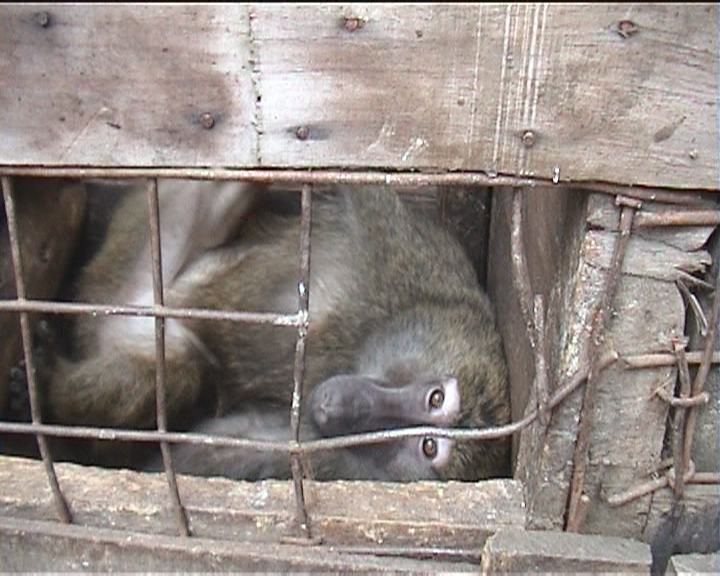
An investigation into the trade in baboons from Tanzania was carried out by Cruelty Free International (formerly known as the BUAV) in 2000, which uncovered evidence of appalling conditions in which terrified wild-caught baboons were being held at dealer premises. This included baboons being imprisoned in rows of crates so small that the baboons could not stand up and could barely turn around. The baboons were given little, if any, food or water (https://edition.cnn.com/2000/NATURE/10/31/baboon.trade.reut/index.html; https://mg.co.za/news/south-africa/2000-10-31-cruel-trade-in-endangered-baboons/).
As humans expand into and destroy natural habitat, there is a concomitant increase in interactions with non-human primates. Although these interactions are construed as 'conflicts', the baboons are not behaving purposefully to harm humans. They are not 'crop raiding' or 'stealing' food from humans; they are simply trying to survive in an ever-diminishing habitat. Considering the baboons as 'competition' or hostile only reduces the initiative to find alternate ways of co-existence, ways that have been used widely and are successful and humane. Critically, removing the baboons from their homes, destroying their families and sending them to laboratories where they will endure brutal experimentation and, ultimately, death, will not resolve the problems. It will place increased reproductive pressure on the baboons, resulting in a surge in their population, setting in motion the need for a vicious and indefinite cycle of trapping (killing). Instead, strict use of deterrents and, if necessary, reproductive control are more likely to be effective. Concurrently, there needs to be an end to continued expansion into wildlife habitat and a humane balance between the needs of all species involved.
Please take action for these baboons:
02 August 2026: Animal protection groups sound alarm over resurgence in exports of long-tailed macaques from Indonesia
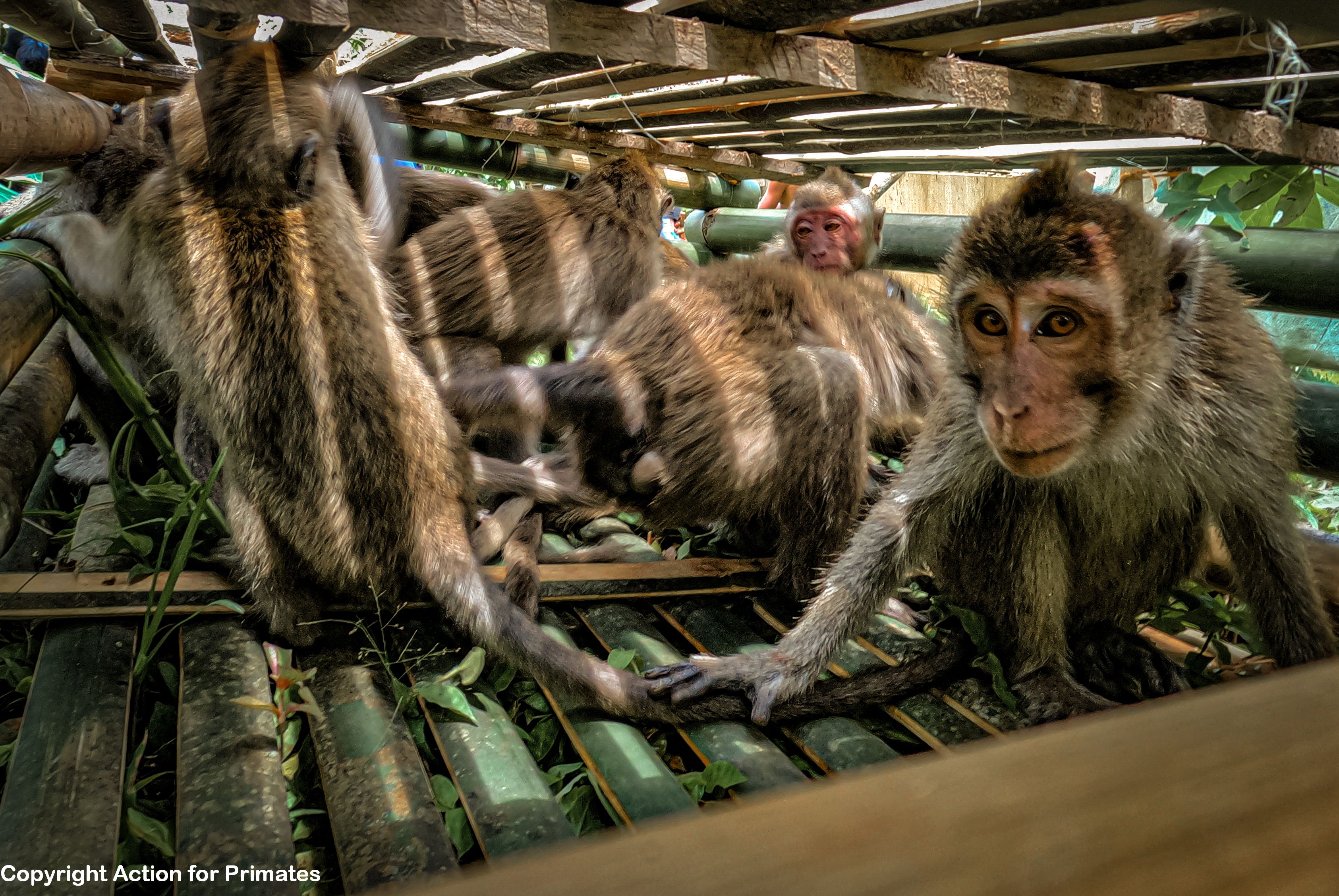
Action for Primates, Jakarta Animal Aid Network (JAAN) and Lady Freethinker have condemned the resurgence in the export of long-tailed macaques (Macaca fascicularis) from Indonesia to be used in laboratories. The CITES (Convention on International Trade in Endangered Species of Wild Fauna and Flora) has recorded a quota for the export of 1,928 monkeys submitted by Indonesia in June 2026 (1). This is the first quota to be submitted since 2022.
According to current news reports, a facility with the capacity to hold 4,000 long-tailed macaques has been built in Mesuji Regency, Lampung. The plan is to breed the animals and then export them overseas for research and toxicity (poisoning) testing. It has also been reported that the company will purchase wild monkeys from the local community for a price of Rp200,000 per animal (2). This raises concerns about the source of breeding animals and the potential laundering of wild-caught individuals into commercial breeding operations.
Long-tailed macaques are indigenous to Indonesia and are part of the rich and diverse ecosystem, contributing to the country's biodiversity. Unfortunately, long-tailed macaques are not protected under Indonesian law despite the species being listed under Appendix II on CITES, and its conservation status assessed as Endangered, with a decreasing population trend, by the International Union for Conservation of Nature's Red List (3). The absence of legal protection has facilitated the continued capture of wild macaques for commercial breeding and export, as well as domestic trade as 'pets', for markets, and for exploitation for online social media content. Further, given Indonesia's importance as a range state, renewed exports raise concerns for the long-term conservation of the species.
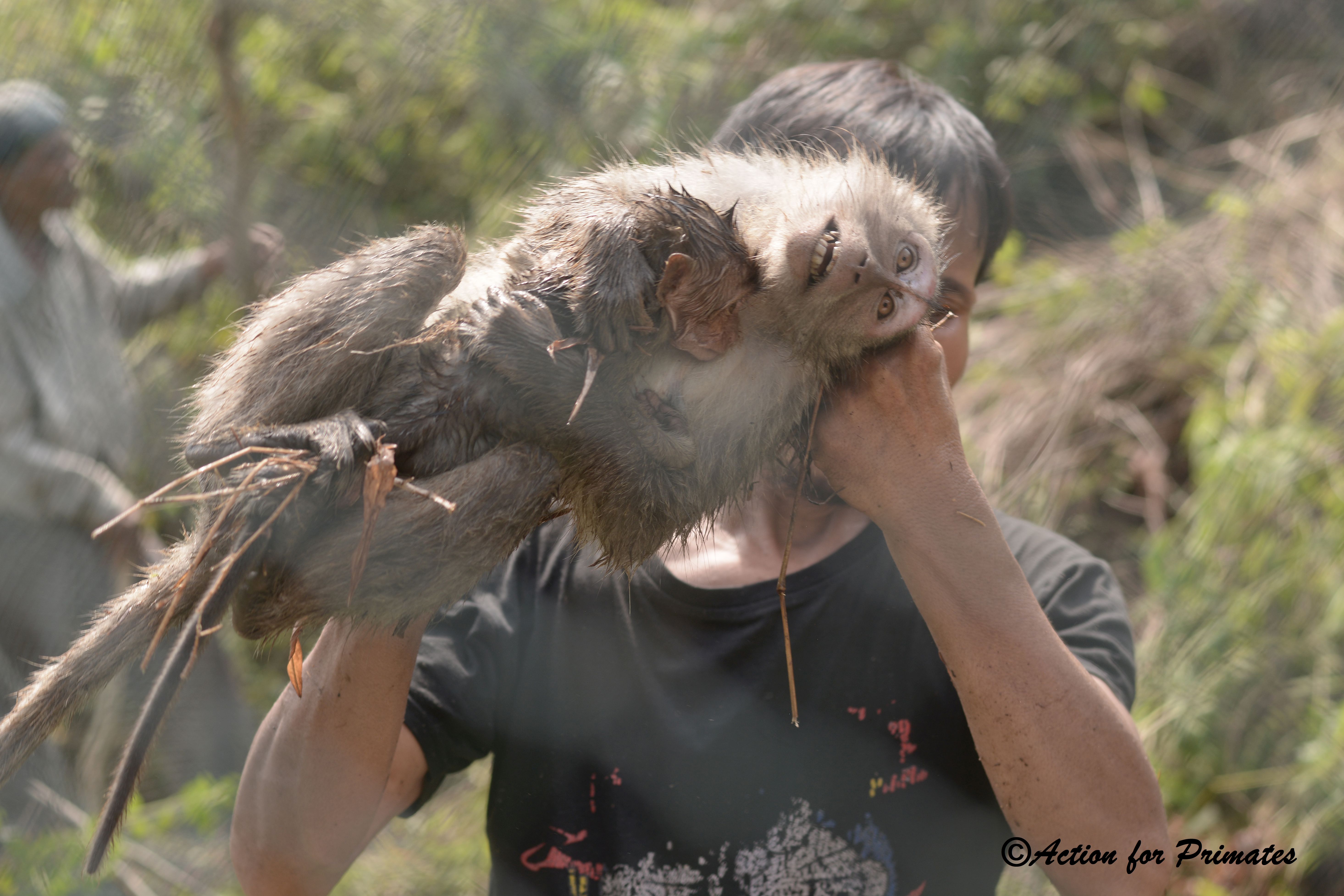
In 2022, Action for Primates released harrowing video footage of the capture of wild long-tailed macaques in Indonesia. The footage provided compelling evidence of the cruelty and suffering involved, including brutal capture methods and gratuitous violence against the monkeys, the forced separation of nursing infants from their mothers, and the beating and killing of unwanted individuals. Such treatment was a clear breach of international animal welfare guidelines (4).
Long-tailed macaques are the primary non-human primate species used in regulatory toxicity tests, which is the area in which most non-human primates are used. Toxicity (or poisoning) testing is carried out to assess adverse reactions to drugs (or chemicals), and involves substantial suffering and death. This announcement from Indonesia is happening at a time when there is growing global recognition that animal-based toxicity testing is scientifically unreliable for predicting outcomes for humans. This recognition, together with moral concerns over the suffering involved, has led to increasing scrutiny from regulators and governments worldwide, and the UK, EU and United States are now actively developing strategies to transition away from animal testing (in particular using non-human primates) and accelerate the adoption of non-animal alternatives, such as in vitro systems, organ-on-chips and AI (artificial intelligence) modelling (5).
Compelling, shocking evidence of the fate of long-tailed macaques used in toxicity tests was recently provided by a former laboratory worker in the United Kingdom and entrusted to Animals International. It offers a rare and deeply concerning insight into standard practices in animal toxicity testing for regulatory purposes within the global contract research industry. It includes video footage and images that show the routine use of long-tailed macaques in procedures that cause substantial distress, suffering and, ultimately, death (6). An initial report based on this evidence was published by UK Daily Mail on 19 April 2026 (7).
An ever-increasing expansion and encroachment into wildlife habitat is tragically leading to potentially avoidable conflicts between macaques and humans. This situation is often erroneously used to justify the capture and exportation of the macaques. Rather than allowing the macaques to be persecuted and exploited, Action for Primates and JAAN call upon the Indonesian Government to suspend exports of long-tailed macaques, strengthen legal protection for the species, prevent the capture of wild individuals for commercial breeding and invest in evidence-based human-macaque coexistence strategies.
What you can do to help:
References:
22 July 2026: Marmosets mutilated in shameful experiment at Yale University in the USA
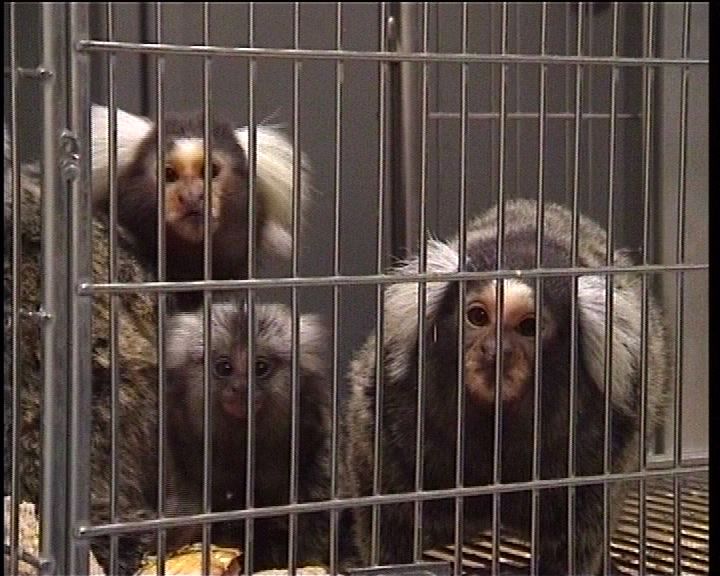
In a shameful experiment done for 'intellectual curiosity', two marmosets were subjected to brutal head surgery at Yale University School of Medicine in the USA (Shi et al 2026). The work was funded in part by tax payer money through grants from the National Eye Institute (EY026878), the National Institute of Mental Health (MH126072, MH138396, MH142687 and MH014276) and the National Science Foundation (DGE2139841),
totalling many millions of US dollars. It was approved by the Yale Institutional Animal Care and Use Committee.
Two adult common marmosets (a female and a male) were used in this experiment. The researchers euphemistically stated that the marmosets "participated" in what was done to them. Each marmoset was subjected to highly invasive head surgery to implant a head post onto the skull and a craniotomy in order to invade the brain with electrodes.

After recovery from surgery, the marmosets were subjected to extensive 'testing'. Their food and water were removed from their home cages for up to three hours before testing. The lack of these vital elements 'motivated' them to 'work' during the testing sessions. The intent of the experiment was to determine how these individual 'cooperated'. Their behaviour was videotaped and a short clip showing the plight of these marmosets confined in a test chamber with head implants was included in the publication (click here to access this clip: https://pmc.ncbi.nlm.nih.gov/articles/instance/13240642/bin/NIHMS2174490-supplement-1.mp4). The fate of these marmosets was not stated.
This is just one more example of why those who defend using and killing non-consenting beings—the research industry—are lying to the public when they say that non-human primates are used in research only when absolutely necessary and only when there are no other alternatives available. This shameful experiment involving the imprisonment and mutilation of marmosets demonstrates such assurances to be completely false. The information 'learned' from the marmosets—and derived under duress— has no relevance to humans. The information could be derived humanely—and relevantly—from humans. Instead, these researchers cruelly subjected these marmosets to highly invasive head surgery and deprived them permanently of a normal life, for frivolous reasons.
What you can do to help:
Shi, Weikang; Olivia C. Meisner; Monika P. Jadi; Steve W.C. Chang and Anirvan S. Nandy 2026-05-11 "Canonical decision computations underlie behavioral and neural signatures of cooperation in primates" Neuron 114(14):2657-2667.e5
|
Craniotomy:
This is a surgical procedure to access the brain. Typically, an area on the head is shaved. An incision is made through the skin and tissues underlying it, down to the surface of the skull, in such a way as to create a flap that can be pulled away to expose the skull. Depending on what type of access to the brain is required, holes may be drilled through the skull into the brain cavity, for example for injections, or a portion of the bone may be cut out in order to implant a bank of electrodes. When done, bone cement may be used to fill in the hole in the skull and the overlying tissues sutured. |
|
|
Head posts:
As the name implies, these are posts that are attached to the skull. Surgery is done on the head to dissect through skin and other tissues down to the surface of the skull. The post is cemented or screwed in place. Once healing has occurred, the post is used to restrain the head while recordings or other experimentation is done. It is almost always combined with a neck plate so that the non-human primate cannot move their heads. |

|
Information on NIH grant support (funding) is taken verbatim from relevant publications. If you have difficulty with any links provided, you can do your own search through the NIH RePORTER site: https://reporter.nih.gov/, by copying and pasting the grant number into the Search field on the form.
Be aware that some grants include funds for more than experiments on non-human primates.
We do not believe we need to accept nor expand upon the researchers' reasons, justifications or findings relative to any research involving non-consenting beings such as non-human primates. Any information gained is at an unacceptable moral cost.
24 June 2026: Please support the Captive Primate Safety Act in USA
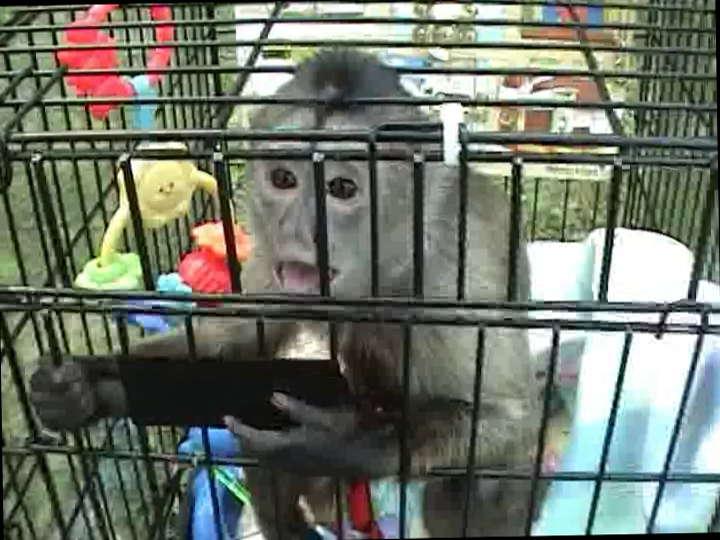
Proposed legislation in the USA would ban the private 'ownership' of all non-human primates as 'pets', thereby providing better animal welfare protection, as well as strengthening public safety. The Captive Primate Safety Act (H.R.3199 / S.1594), which is still pending for the 119th Congress (2025-2026), is bipartisan legislation, sponsored by Representatives Mike Quigley (D-IL), Brian Fitzpatrick (R-PA), Julia Brownley (D-CA) and Nancy Mace (R-SC), and Senator Richard Blumenthal (D-CT). If you are a US citizen, please contact your legislators urging them to support this important piece of legislation (see below).
In the USA, the private 'ownership' of non-human primates is still legal in many states. A new report has revealed an alarming rise in online sales of non-human primates through social media. The report—Primates for purchase - The surge in sales on social media in the US—has been published by the Association of Zoos and Aquariums, the International Fund for Animal Welfare and World Wildlife Fund. The most listed non-human primate species for sale on platforms—such as Facebook, Instagram, TikTok and YouTube—were macaques, marmosets and capuchins.
Non-human primates are wild animals and do not belong in captivity in homes and backyards. They should be living freely with their family and social groups in their native habitat, not bred in the USA to be sold as 'pets', removed from their mothers as infants and advertised for sale dressed in children's clothes. Depriving these sentient and social beings of their freedom, the companionship of others of their kind and keeping them under totally unnatural conditions, is cruel and immoral.
When kept in captivity as 'pets', non-human primates can become a danger to people. As they mature and become physically stronger, they become unpredictable and aggressive towards humans and can cause serious injuries. To deal with this aggression, people will often add to the inhumanity of the situation by removing teeth and nails in the erroneous belief that this will prevent injuries.
Monkeys and apes belong in the wild—not in living rooms. This bill will ban private possession of these animals, ensuring that we are safe and primates are able to live freely,
said Representative Mike Quigley, co-chair of the Congressional Animal Protection Caucus. In 2025, Quigley visited the Born Free Primate Sanctuary in Texas, to learn more about the plight of primates kept as 'pets' and the important work carried out there to rescue and rehabilitate these often damaged individuals: https://quigley.house.gov/media-center/press-releases/quigley-concludes-trip-texas-primate-facilities-introduces-bipartisan.
Private ownership of primates is a dangerous and outdated practice that puts both animals and communities at risk,
said Representative Fitzpatrick.
Primates are intelligent and social creatures. But when primates are kept as pets—in captivity and restrained—they can become highly unpredictable and dangerous,
Senator Blumenthal (CT). Wild animals belong in the wild, and this legislation ends the inhumane exploitation of these animals as pets—protecting both people and primates.
The House version of the Bill is H.R.3199 and that for the Senate is S.1594.
You can find more information on the issue of non-human primates in private homes on our non-human primates in Private homes ('pets') page.
This is an important piece of legislation and the fact that it continues to have bipartisan support is crucial. If you are a US citizen, please contact your legislators and urge them to support this bill.
08 June 2026: Monkeys still being turned into alcoholics at Wake Forest University School of Medicine, USA
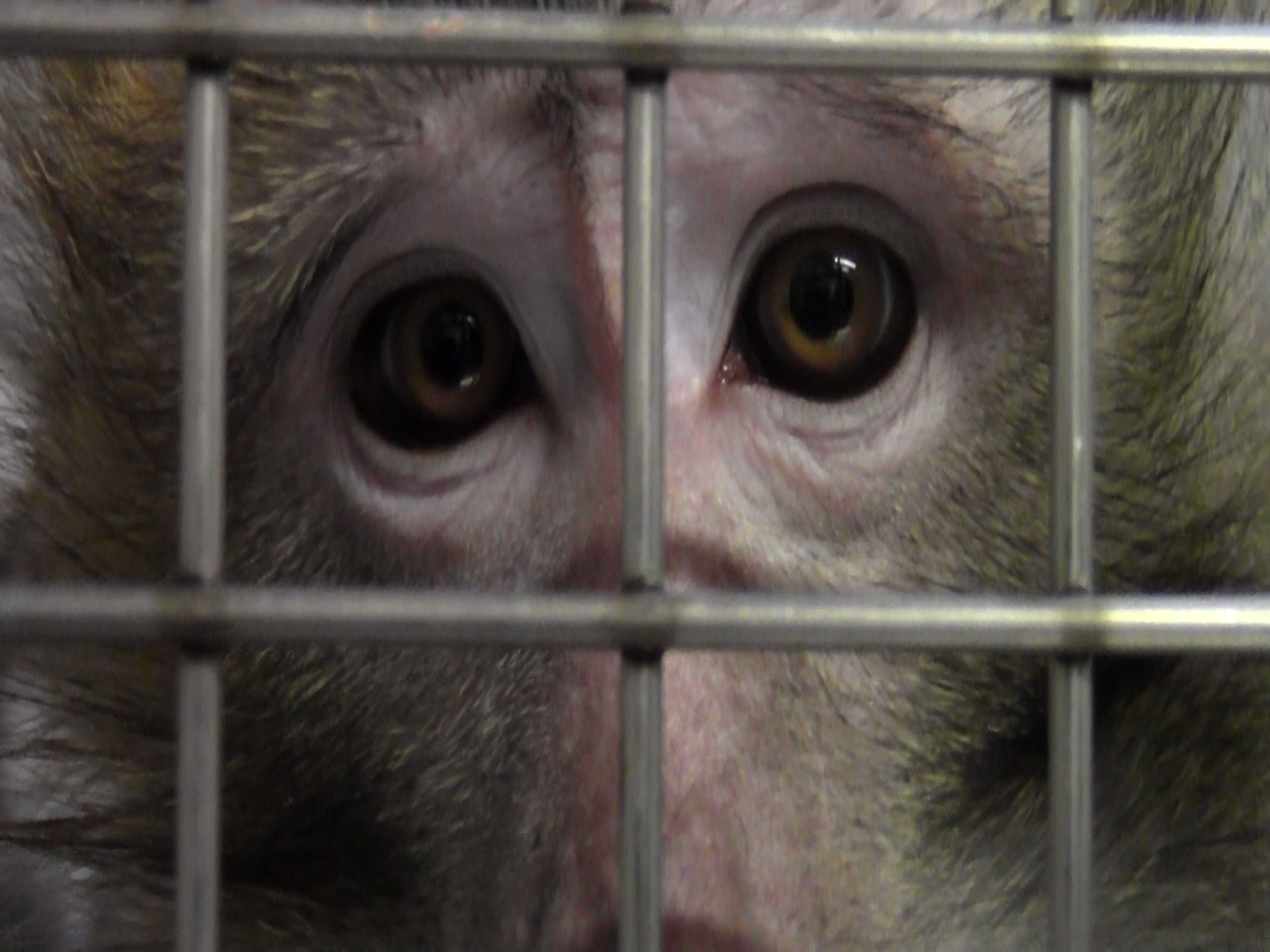
Long-tailed macaques were used as surrogates for humans to study chronic alcohol use disorder. They were housed singly and forced to drink alcohol in order to see whether there were differences based on sex (Prete et al 2026). The experiment was done at Wake Forest University School of Medicine, USA, part of numerous such experiments done on macaques and at US tax-payer expense. It was approved by the university's animal use committee and by grant AA027556 from the National Institute on Alcohol Abuse and Alcoholism (NIAAA), totalling several million US tax dollars.
Eleven adult long-tailed macaques (five females and six males) were housed in small stainless steel cages with no meaningful enrichment and without the physical social contact critical to their well-being. A drinking panel test apparatus was attached to each cage with two sources of fluids available, one containing water, the other water with alcohol (ethanol). The macaques were "induced" to drink the alcohol-containing water over three experimental periods, each consisting of 16 hour sessions a day, five days a week. By the end of the third period, the macaques were drinking a 4% alcohol solution made available 22 hours a day, five days a week, for six months. The fate of the macaques was not stated. It was clear the researchers had no interest in or compassion for these sentient beings, merely treating them as research 'tools'.
The researchers found there was no statistically significant difference in alcohol intake between female and male macaques. These macaques had to endure the extreme stress of captivity, virtual social isolation and the effects of alcohol for something that has no relevance to human health and which could easily be determined in ethical and humane studies on humans. Alcohol use disorder is a complex disease, compounded by genetics, socioeconomic issues, psychological factors and more. We are appalled by the continued lack of humanity and compassion demonstrated by these researchers, who have for many years been imprisoning sentient non-human primates in cages and forcing them to consume alcohol in an immoral and scientifically unreliable attempt at understanding the disease in humans.
What you can do to help:
Cited information:
Information on NIH grant support (funding) is taken verbatim from relevant publications. If you have difficulty with any links provided, you can do your own search through the NIH RePORTER site: https://reporter.nih.gov/, by copying and pasting the grant number into the Search field on the form.
Be aware that some grants include funds for more than experiments on non-human primates.
We do not believe we need to accept nor expand upon the researchers' reasons, justifications or findings relative to any research involving non-consenting beings such as non-human primates. Any information gained is at an unacceptable moral cost.
01 June 2026: Speak out for the Barbary macaques used and abused as photo props in Morocco
East Lothian Uncaged |
Video of Barbary macaque abuse in Morocco |
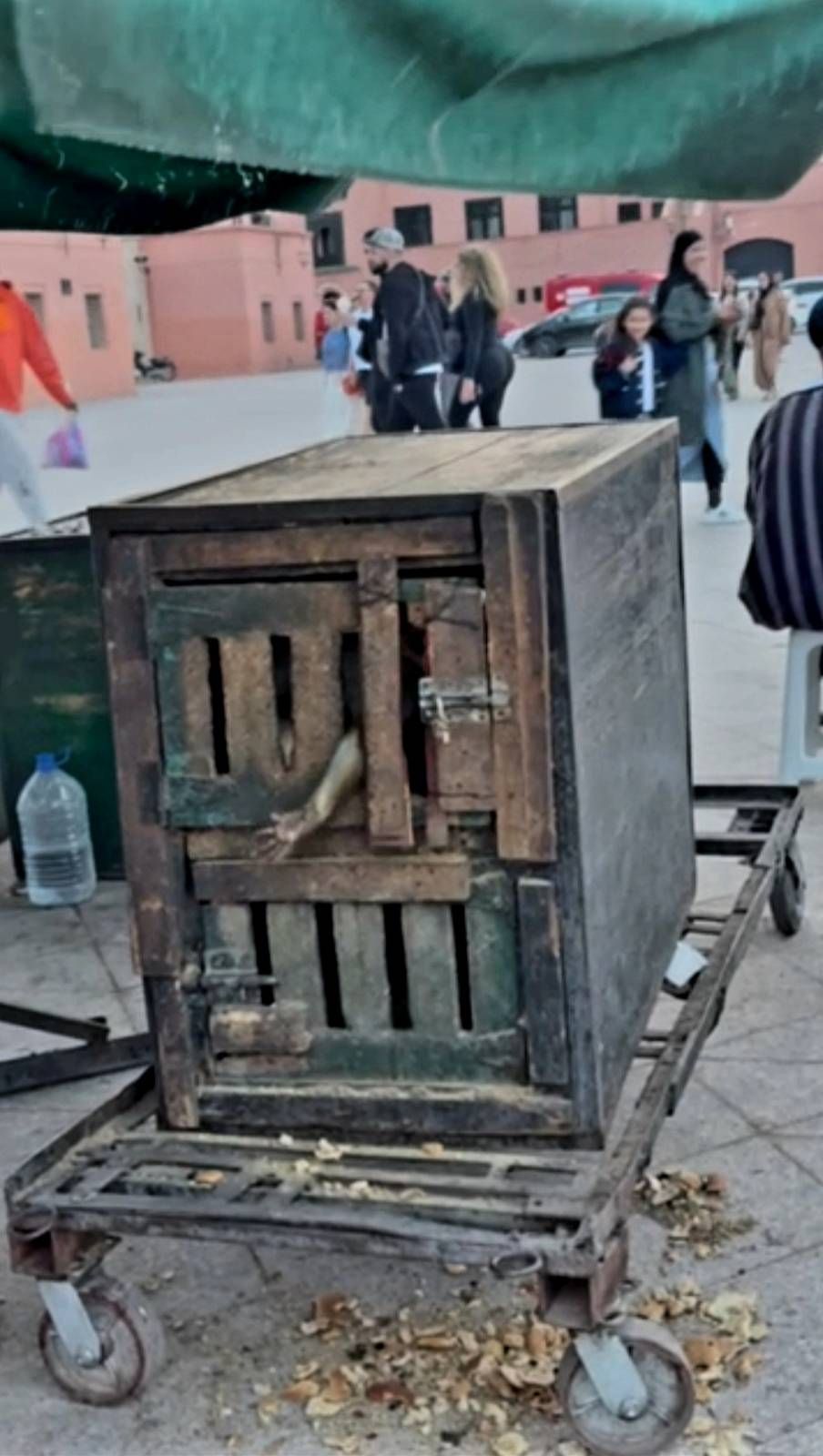
Disturbing video footage of Barbary macaques dressed in children's clothes, chained by the neck and dragged around by street handlers touting for photos and selfies to 'entertain' tourists, has been shared with Action for Primates by East Lothian Uncaged who recently filmed the monkeys at the Jemaa el-Fnaa square market in Marrakesh, Morocco. Other heartbreaking images show imprisoned macaques reaching out from within dark wooden crates in which they are held and transported. Exposure to crowds of people and loud noises and the chaos of the busy streets would be extremely frightening and distressful for the macaques. The cruel and selfish exploitation of these macaques is morally reprehensible.
The Barbary macaque (Macaca sylvanus) is native to the Atlas Mountains of Algeria and Morocco, with a small population in Gibraltar. The species is classified as Endangered with a decreasing population trend, on the International Union for Conservation of Nature (IUCN) Red List of Threatened Species, and listed in CITES Appendix I (threatened with extinction). Major threats to the survival of wild populations of Barbary macaques include habitat loss and their capture and trade. Captured in the wild within Morocco, these macaques are sold as 'pets' and to supply the cruel photo prop trade for tourists, in particular in open air markets, such as Jemaa el-Fnaa in Marrakesh.
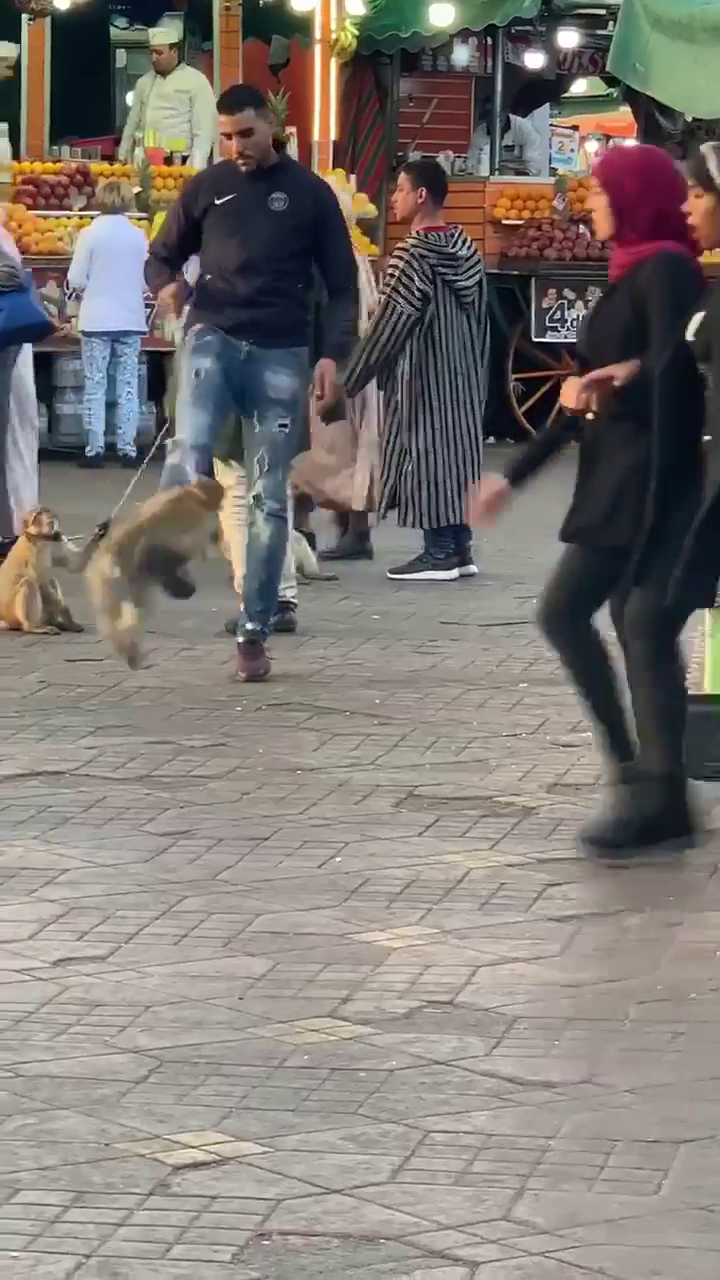
Earlier video footage previously shared with Action for Primates by Nelly Moulin also revealed the shocking way in which the macaques are treated by street handlers in Morocco. At the Jemaa el-Fnaa square market, street handlers were filmed dragging and physically abusing struggling and cowering young Barbary macaques.
The exploitation and physical and psychological cost to these wild animals for 'entertainment' is unacceptable.
Please speak up for the Barbary macaques:
27 May 2026: Urge Awesome Cargo to stop transporting monkeys
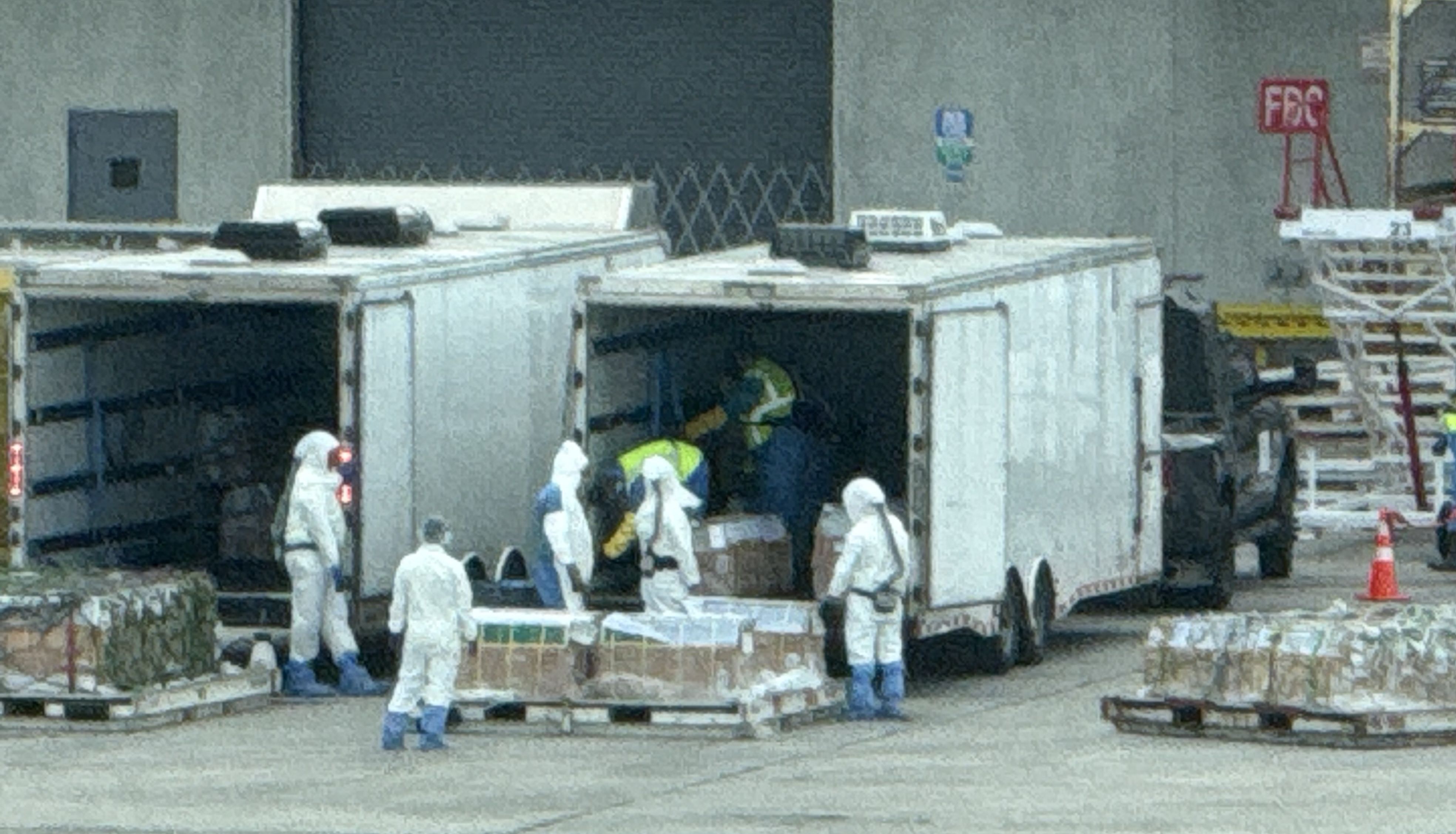
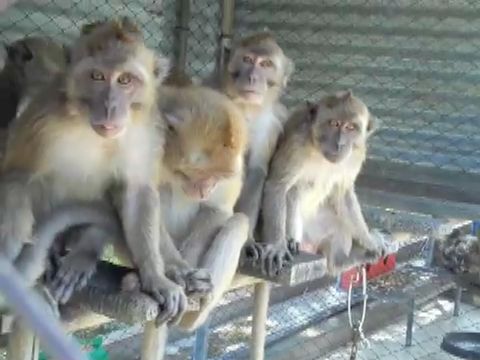
Action for Primates is urging Awesome Cargo, a charter cargo airline based in Mexico, to stop the transportation of monkeys for the research and toxicity (poisoning) testing industry. Information shared by a whistleblower has revealed that Awesome Cargo has started transporting Endangered long-tailed macaques from Mauritius to the USA. Images taken on 19 May 2026 at Miami International Airport, show the heartbreaking situation of hundreds of monkeys imprisoned inside wooden crates and loaded onto trucks. The long-tailed macaques were exported by Bioculture in Mauritius to Bioculture US (BC US), its satellite facility in Florida, and transported by Awesome Cargo.
The transportation by airlines of non-human primates destined for research and toxicity testing is part of a brutal global industry. Torn from their families and friends, these intelligent, sentient and complex beings are forced to endure a traumatic and frightening ordeal, each confined singly to a small crate, with no ability to move normally nor have direct contact with other monkeys, something critical for their welfare and well-being. They are subjected to unimaginable stress and anxiety as they are loaded into cargo holds and exposed to the bewildering and frightening unnatural sounds and sensations of air travel thousands of miles across the world. Their fate at their destination—forced into inhumane testing procedures followed by death—is even worse.
New evidence of what happens to long-tailed macaques in laboratories, including harrowing video footage, has revealed the shocking plight of macaques subjected to highly invasive procedures in regulatory toxicity tests in contract testing facilities: https://toxicity.inc/
As a result of public concern and opposition, many airlines and cargo carriers, including Air France, American Airlines, British Airways, United Airlines, South African Airways, Delta Airlines, Eva Air, Air Canada, China Airlines and Kenya Airways, made the compassionate decision to end their involvement in the international trade in non-human primates, by refusing to transport these animals destined for laboratories.
Please join Action for Primates, Monkey Massacre in Mauritius and Cheshire Animal Rights Campaigns, in taking action for these monkeys. Call on Awesome Cargo to end its involvement in the brutal trade in macaques for research and toxicity (poisoning) testing.
What you can do to help:
19 April 2026: Images from UK laboratory reveal disturbing insight into animal suffering for regulatory toxicity testing purposes
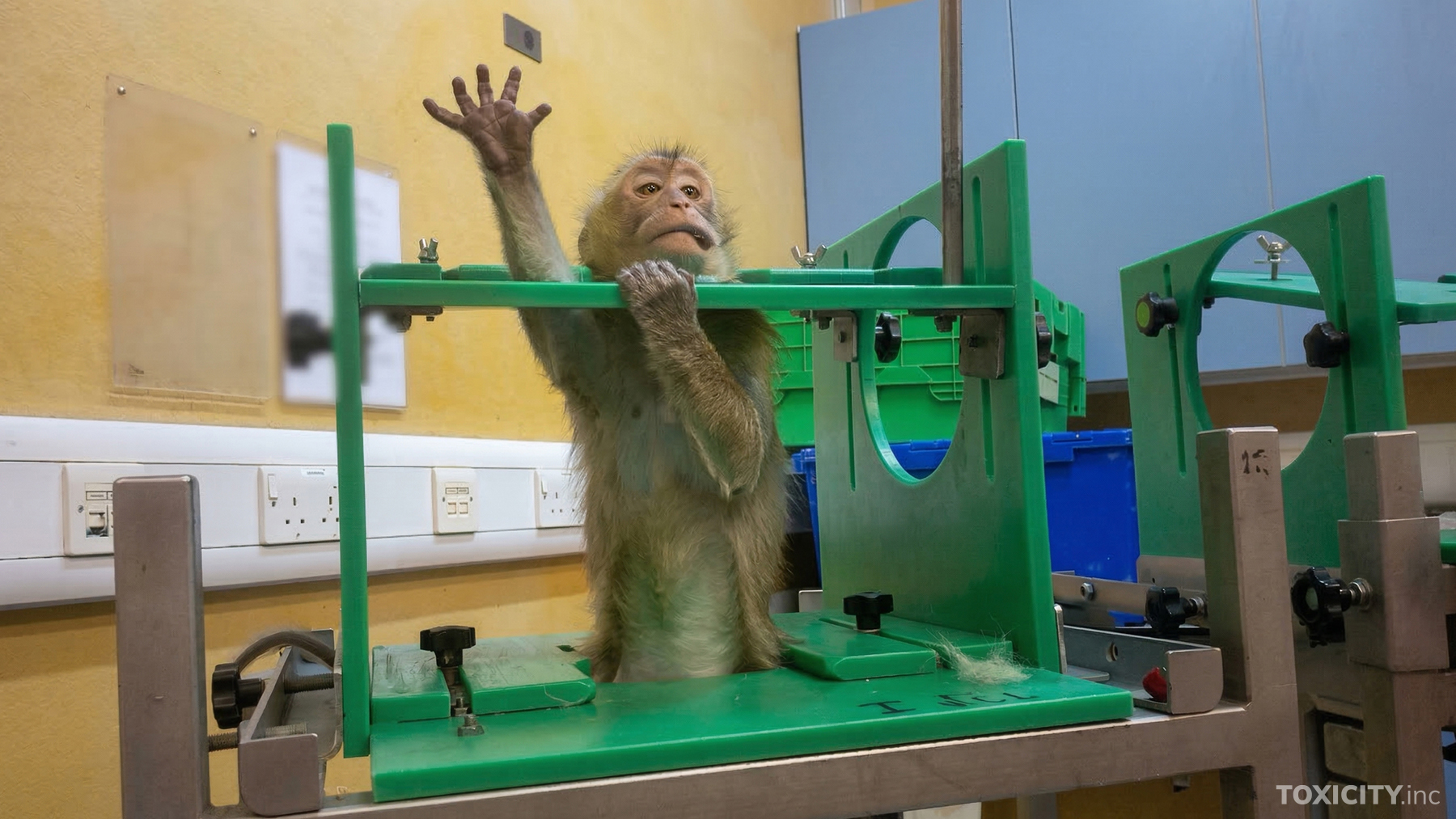
Heart-breaking images taken inside UK testing laboratories provide an unvarnished look into the secretive world of animal toxicity testing and a disturbing insight into the suffering and distress experienced by monkeys and other animals imprisoned within it. (Take action)
Link to video footage: http://toxicity.inc/ (WARNING – Distressing images)
The video footage, entrusted to Animals International and Animals Australia, was captured by a concerned laboratory worker who became traumatised after witnessing the animal suffering. Caged and confined, denied quality of life, monkeys, beagles, rabbits, minipigs and rats are restrained and forced to ingest test substances to determine the nature and severity of harmful effects at different concentrations of exposure. (Take action)
The procedures are authorised by the Home Office under generic (or 'service') project licences granted under the Animals (Scientific Procedures) Act 1986. Most of these tests, which can last many months—or even longer for some species—are carried out to fulfil global regulatory requirements.
The monkeys used in toxicity testing are long-tailed macaques. Every year, hundreds of these individuals, originating from Mauritius and Vietnam, are imported into the UK by air via Manchester Airport.
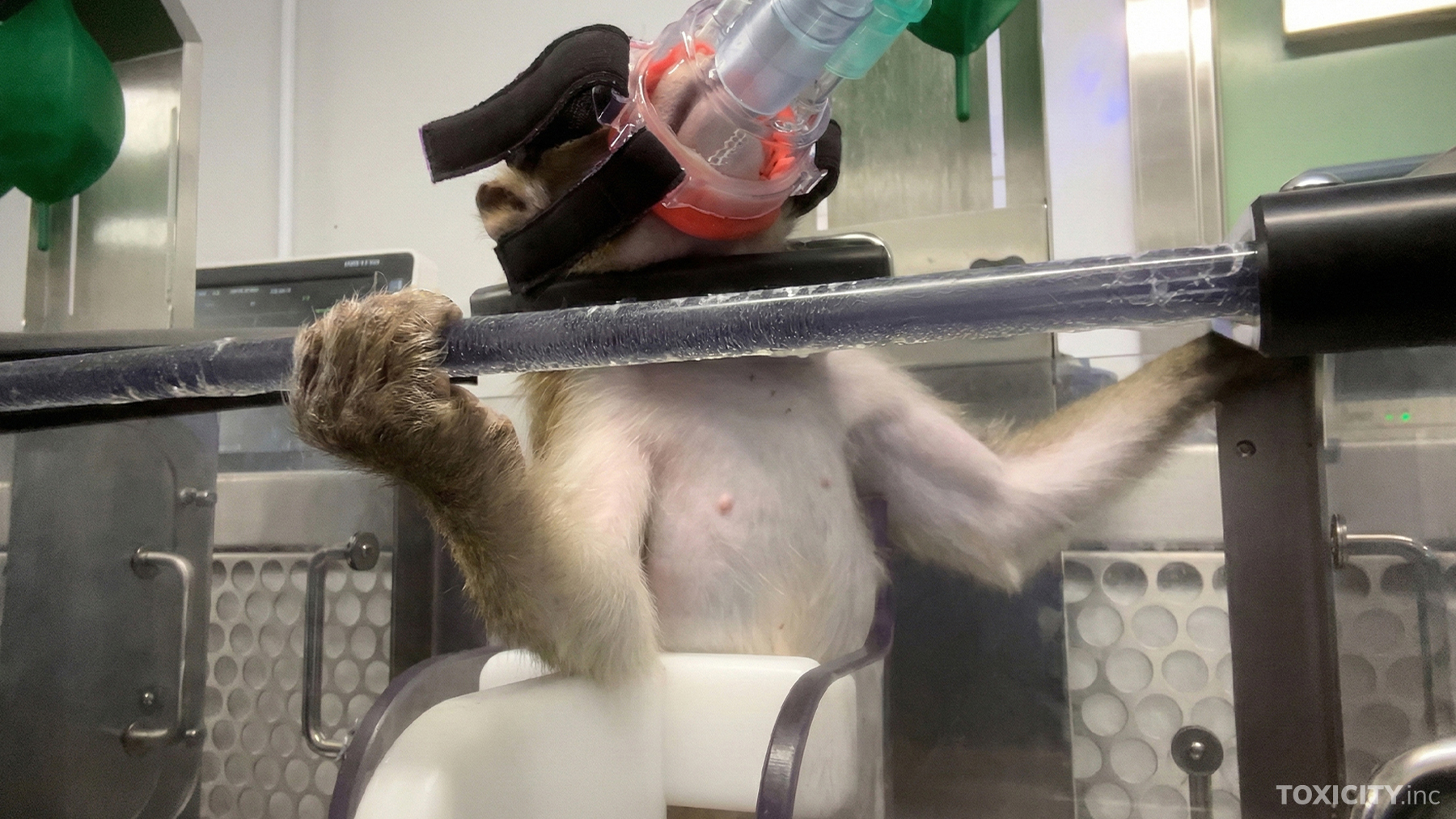
In the laboratories, the monkeys are subjected to stressful and highly invasive procedures, including oral gavage in which a tube is forced down the struggling—and often screaming—animal's throat and the test substance injected directly into their stomachs. In other distressing tests, monkeys are immobilised in a restraint device with a mask strapped to their face, and are forced to inhale the test substance as it is pumped in. This is a stressful and traumatic ordeal for these intelligent, social and sensitive beings—many of whom will experience adverse reactions during the tests—who are then killed at the end; their bodies dissected and examined. (Take action)
Although the UK government has committed to a transition away from animal testing and towards modern, humane and human-relevant alternative methods, the dire animal suffering evident in this footage warrants urgent political intervention. These animals are suffering every day in toxicity tests and urgently need your help.
Please contact your MP today at http://toxicity.inc/ and urge them to support an end to animal toxicity testing and to fast-track the adoption of more reliable, humane and human-relevant testing methods. Such methods include organ-on-a-chip systems, in vitro human-based systems, computer modelling and epidemiological and clinical studies.
In 2024, over two and a half million animals—individuals— were used in experiments in the UK, including hundreds of thousands in tests for regulatory purposes. This included toxicity testing of pharmaceutical drugs, as well as industrial chemicals, pesticides, biocides and substances added to food or feed products.
Generic project licences allow laboratories to conduct multiple regulatory toxicity studies, involving different species and tens of thousands of animals, without each study and the test substance being individually assessed by the Home Office. Many of these experiments are carried out to meet overseas regulatory approvals.
Despite increasing evidence and recognition that toxicity testing on animals fails to predict what will happen in people, these outdated, scientifically unreliable and cruel practices continue. In 2025, one such generic project licence granted by the Home Office authorises the use of 3,654 primates and 4,800 beagles in regulatory testing over a five-year period. (Take action)
15 March 2026: Monkeys coerced into taking cocaine in US tax-payer funded research
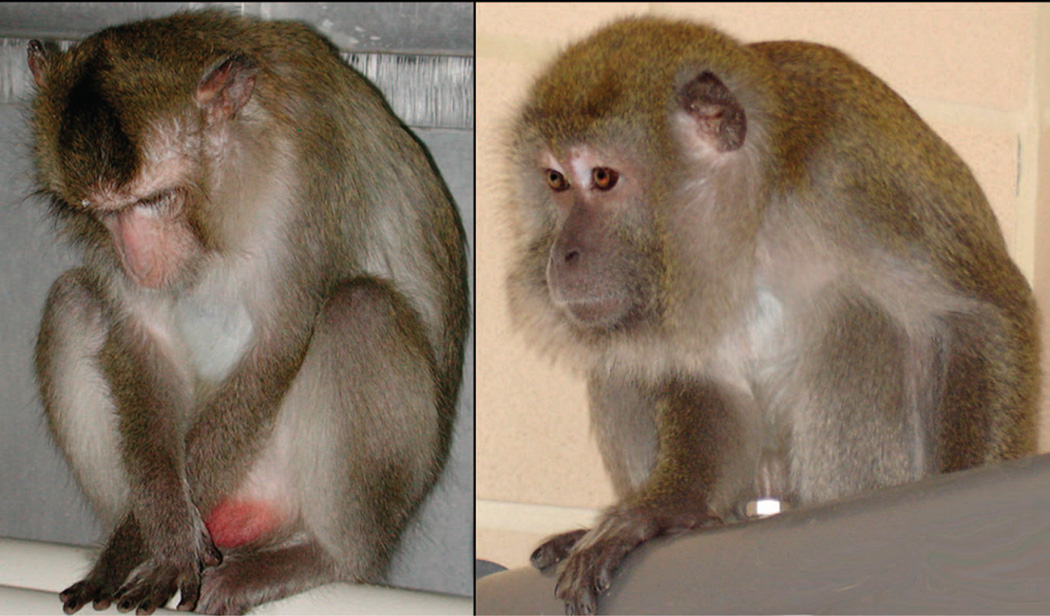
Thirteen female and male long-tailed macaques were subjected to surgery and forced to consume cocaine in yet another disturbing experiment at Wake Forest University School of Medicine in the USA (Johnson et al 2025). These sentient and intelligent beings were treated as nothing more than research 'tools' in work approved by the university's animal use committee and paid for by the US tax-payer through grants DA017763, DA049267, DA053776 and DA060614, from the National Institute on Drug Abuse, totalling many millions of US dollars.
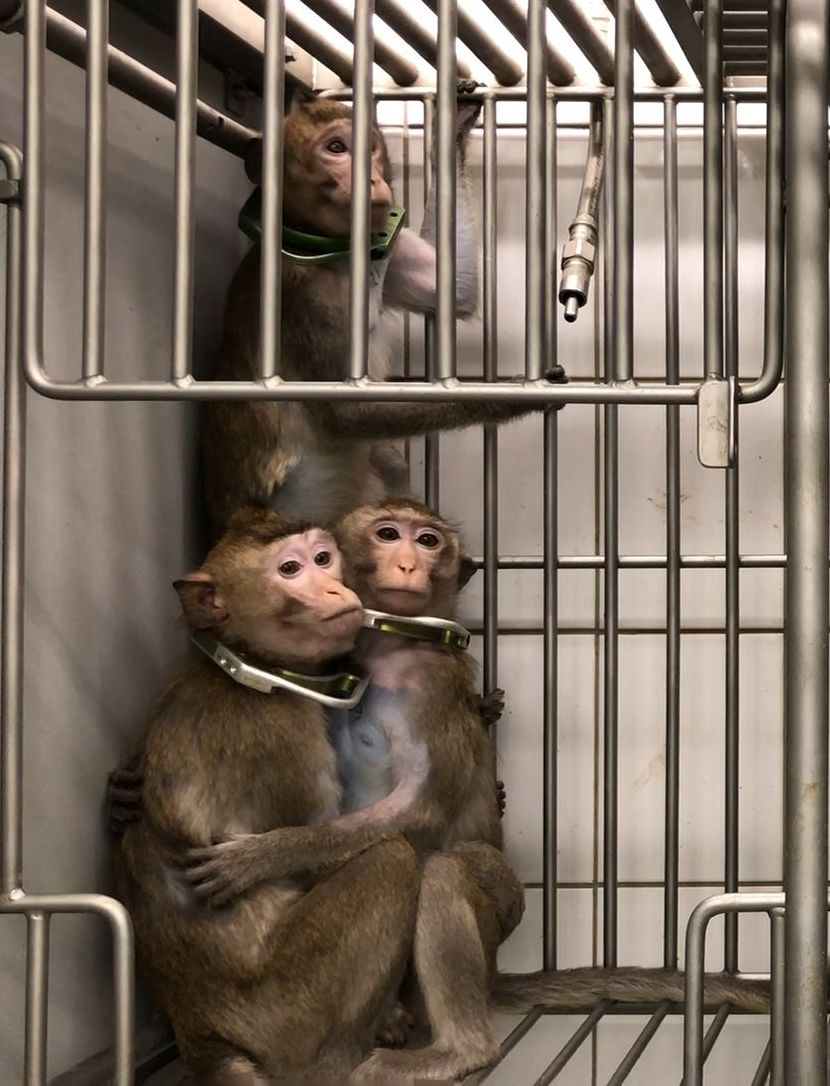
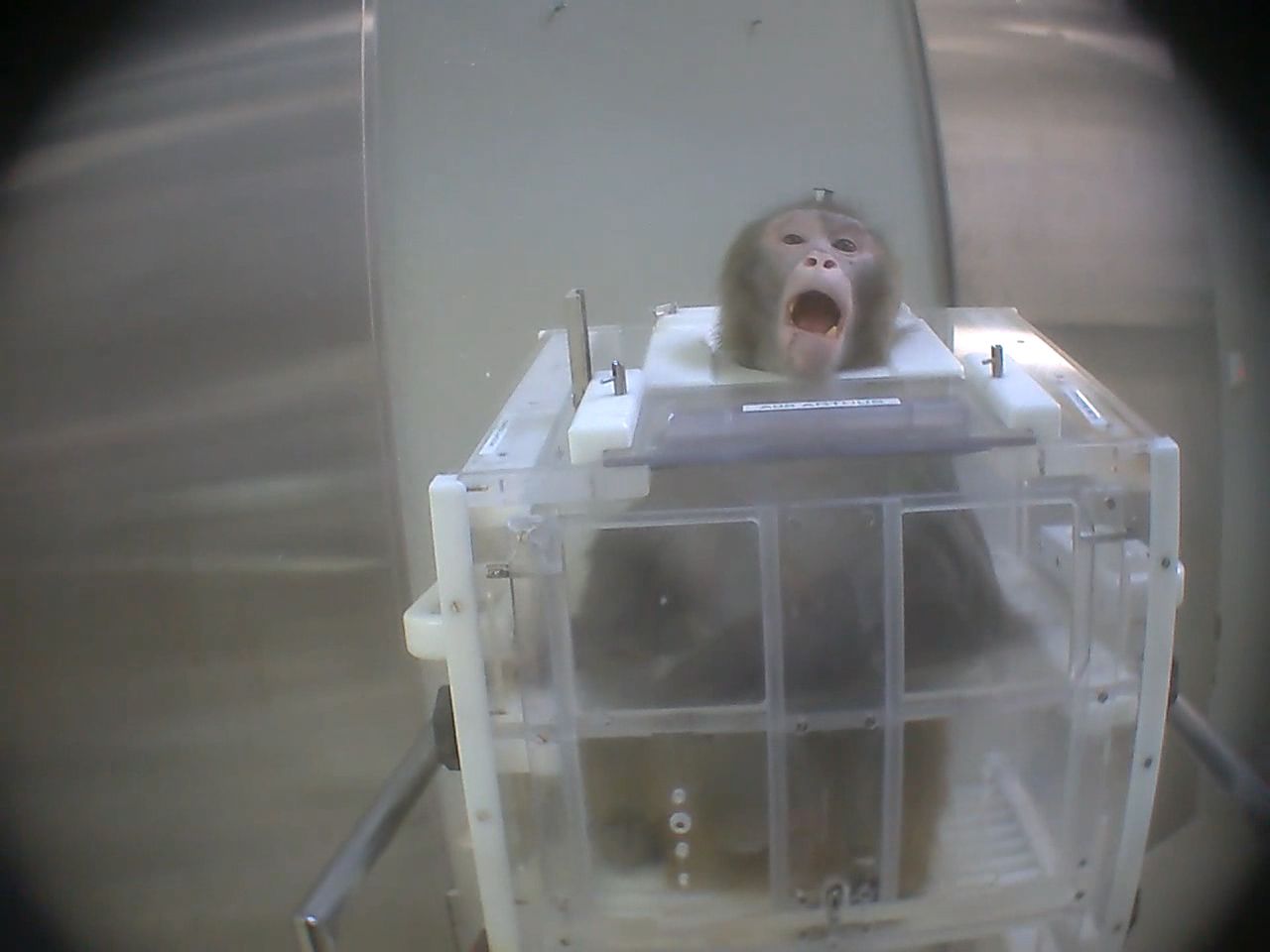
The macaques were housed four to a cage that only measured 0.71 x 1.73 x 1.83 m. Each macaque had an aluminium collar clamped around the neck and was forced to sit in what the researchers euphemistically referred to as a "primate chair" during the experiment, for unspecified periods of time. Although not explicitly stated, the only reason for placing a collar around the neck is so that the individual can be subjected to pole and collar training, an extremely inhumane way to treat a macaque.
After being 'trained' to respond to food rewards, the macaques were operated on to implant a catheter into a major blood vessel. A tube from the catheter was tunnelled under the skin to the back where an access port was implanted. In this way, the macaques could 'self-administer' (euphemism used by the researchers) cocaine intravenously at a rate of about 100 mg/kg body weight, a high concentration; it took about 16 months of cocaine 'use' before the macaques were considered ready for the next phase. The macaques were anaesthetised and their brains scanned to see the effects of the cocaine relative to sex and social rank. They were then deprived of cocaine for about a month, after which more scanning was done. The lack of compassion and empathy demonstrated by the researchers for these macaques was further reinforced by there being no mention of what these macaques had to endure, the effects of the cocaine nor the ultimate fate of these thirteen individuals. Known consequences in humans following sudden cocaine withdrawal can include intense cravings for the drug, restlessness, agitation, fatigue and psychological withdrawal symptoms, such as dysphoria.
Addiction is a complex disorder involving psychological, social and emotional variables that are impossible to 'model' in other animals such as monkeys. The results of this experiment, which in its essence are already known from human studies, have no relevance to human users of cocaine. As we point out repeatedly, careful, humane and sophisticated studies on humans who suffer from drug addiction are the only way to gain information that will help humans. Making monkeys cocaine addicts is not only exceptionally cruel, it is also a waste of important resources that should be directed at helping humans. This view is shared by researchers in the field of drug addiction research Magliaro & Ahluwalia 2022. Moreover, there are numerous studies on humans showing that we already have the means of improving the lives of those who are addicted to various substances (Bickel et al 2024; Bolívar et al 2021; Lussier et al 2006; Proctor 2022; Villamil et al 2024).
The macaques in this experiment had to endure the stress of captivity, survival surgery, repeated anaesthesia (unpleasant at best), the effects of cocaine and its withdrawal for what can only be considered frivolous reasons and clearly contrary to the Replacement criterion for the 3Rs.
What you can do to help:
Cited information:
...the impact of social, psychological and economic factors that determine the onset and persistence of addiction (and recovery from it) in humans. Indeed, the predictive validity of animal models of addiction is poor, with few effective treatments deriving from animal studies. ...the principal argument against animal experiments in the field of substances of abuse is that addiction in humans is a complex disorder which encompasses psychological, social and emotional variables that are impossible to model in animals.
|
Pole and collar:
This refers to placing a permanent metal collar around the neck of the individual. The collar has openings which can be 'grabbed' by the end of a specially designed pole. The individual then can be dragged around by the neck until they acquiesce to being manoeuvred in this manner. Almost all individuals vigorously object to being treated in this manner and it can take many weeks for them to acquiesce. Some become too aggressive for this method to be used. Pole and collar use is considered poor practice in European laboratories, but continues to be done in the USA. |
|
|
Primate chairs:
So-called 'primate chairs', such as those manufactured by Crist Instrument Co, are restraint devices which secure the individual in an unnatural sitting position (https://escholarship.org/uc/item/60w5n71t). Further restraint is often used through a neck plate which goes around the neck to prevent side-to-side or front to back movements of the head. The head may be severely restrained through the use of a post surgically implanted into the skull and held by part of the chair. Depending on the procedures being done, the arms and legs may be secured further by taping them to the chair supports. |
|
Information on NIH grant support (funding) is taken verbatim from relevant publications. If you have difficulty with any links provided, you can do your own search through the NIH RePORTER site: https://reporter.nih.gov/, by copying and pasting the grant number into the Search field on the form.
Be aware that some grants include funds for more than experiments on non-human primates.
We do not believe we need to accept nor expand upon the researchers' reasons or justifications for doing any research involving non-consenting beings such as non-human primates. Any information gained is at an unacceptable moral cost.
15 February 2026: UPDATED: Oregon National Primate Research Center no longer to become monkey sanctuary
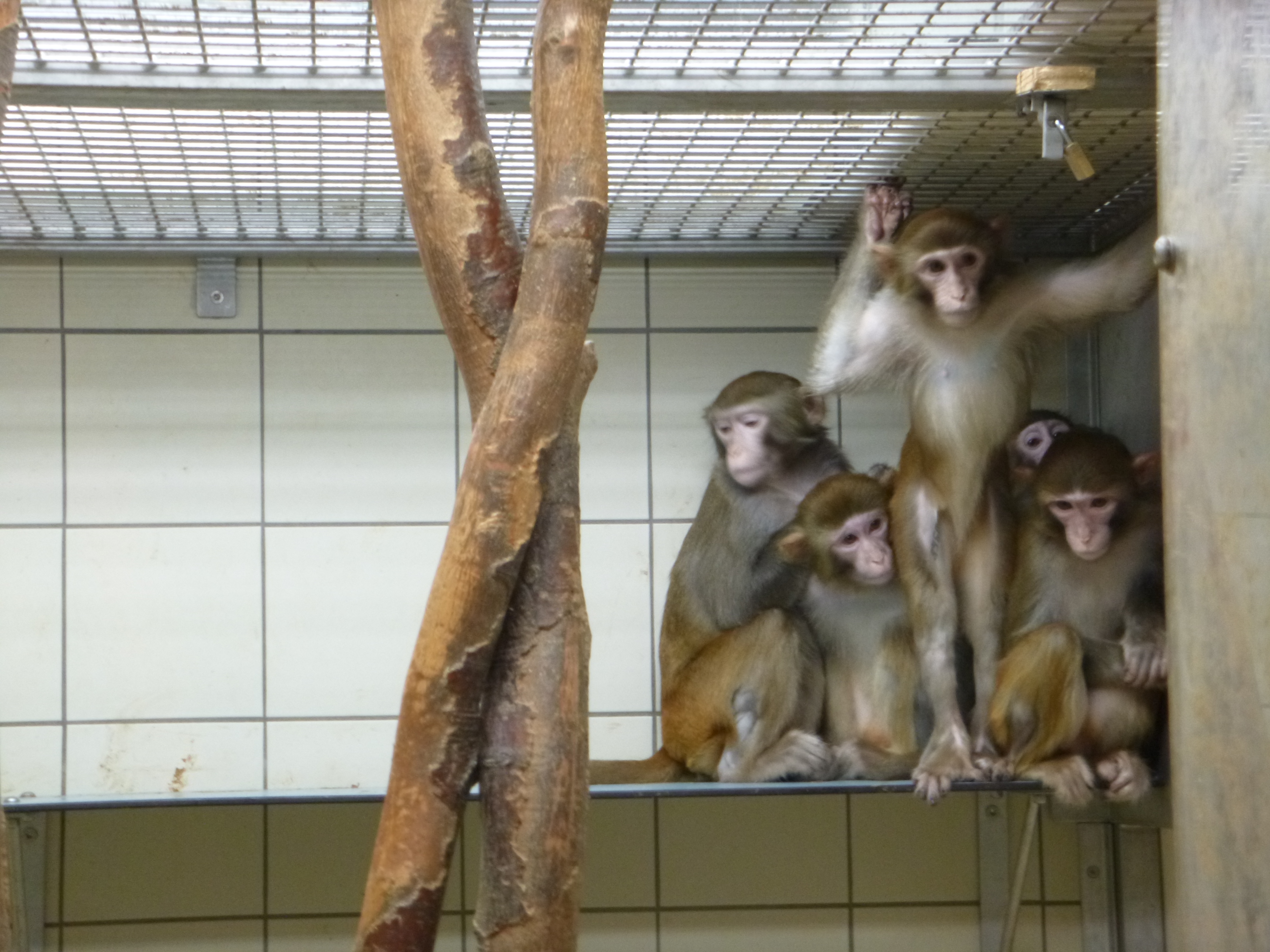
Cruelty Free International/SOKO Tierschutz |
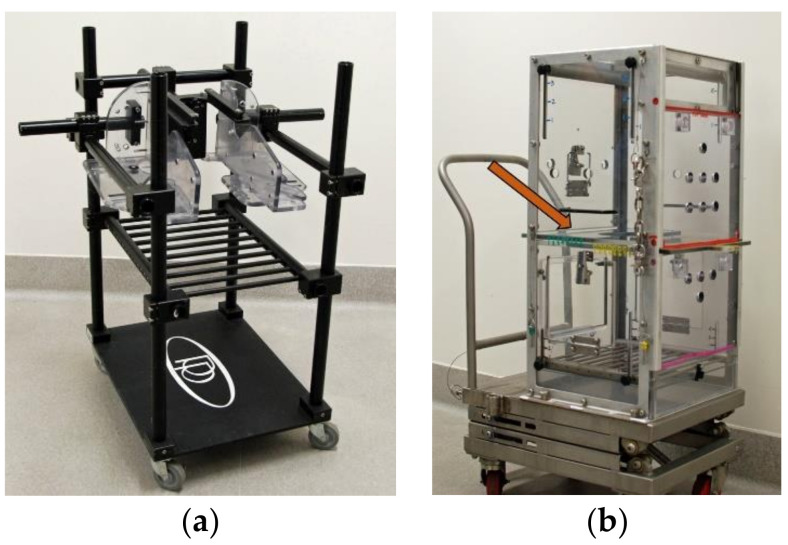
used at Oregon National Primate Research Center https://pmc.ncbi.nlm.nih.gov/articles/PMC8388729/ |
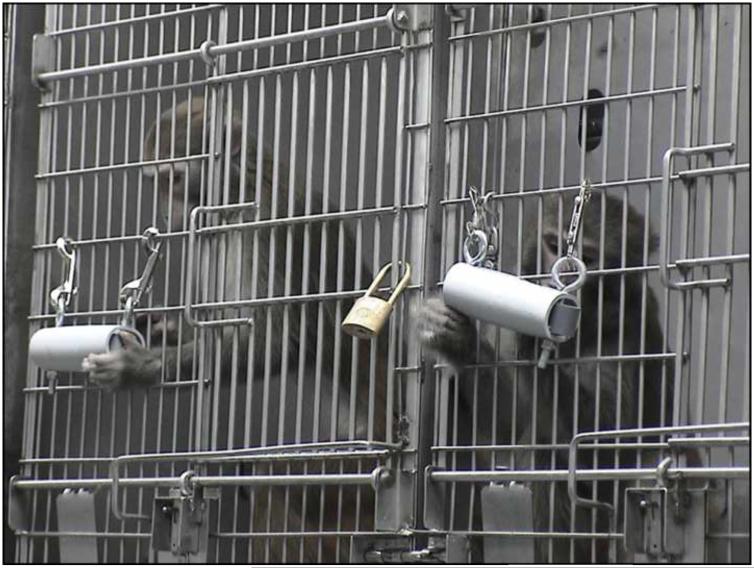
Oregon National Primate Research Center https://pmc.ncbi.nlm.nih.gov/articles/PMC4809023/ |
Although the National Institutes of Health (NIH) had reported that they were planning to turn the Oregon National Primate Research Center (ONPRC) into a sanctuary for non-human primates (Gardner 2026-04-02), Action for Primates learned later that this is likely no longer the case (Grimm 2026-07-13). This was despite assurance by NIH Director Jay Bhattacharya and an announcement that the board of directors at Oregon Health & Science University, which is the institution responsible for operating the ONPRC, voted to begin negotiations with the NIH to potentially make the transition to a sanctuary a reality (McMurray 2026-02-09). Further, while assuring the public that the NIH was moving towards human-based research (and, therefore, humane and reliable), they continued to fund research that would result in imprisonment of non-human primates at the ONPRC, for example over $4 million US to study retinal function in rhesus macaques (click here for 2026 allocation and description of research).
The ONPRC, which imprisons around 5,000 non-human primates, is one of seven NIH-funded National Primate Research Centers in the USA. Some of the worst and most inhumane experiments are carried out on monkeys at the ONPRC, such as forcing them to consume alcohol; feeding cannabis to pregnant monkeys and then removing and killing their unborn infants; comparing Western versus Mediterranean diets and killing the monkeys. To these ends, the ONPRC spends millions of dollars annually, provided largely through grants from the NIH using tax-payer funds. Information gained is already known or can easily be obtained in humane and relevant studies using humans rather than killing hundreds of monkeys.
The following comprise just a few of the experiments published in the last few months, all approved by the ONPRC animal use committee:
Imprisoning non-human primates for research purposes at the ONPRC, and purposefully harming and killing of hundreds of these individuals regularly, is morally unconscionable in and of itself. In some of their work, the researchers at the ONPRC utilise extremely inhumane practices such as using pole and collar restraint, so-called primate chairs for restraint; see also figure above for types they use), maternal deprivation, head restraint, craniotomies and water or fluid restriction.
The public are repeatedly told that non-human primates are used in research only when absolutely necessary and only when there are no other alternatives available. This reversal by the NIH concerning the ONPRC is just one more example of the lack of credibility of such assurances. It is beyond time that we stop experimenting upon non-human primates. It is not only patently inhumane, but also of little value to advancing the understanding of humans and advancing their health and safety. The billions of dollars being spent on making monkeys alcoholics, drilling holes into their skulls, forcing them to consume drugs like cocaine and cannabis, forcing them to consume an unhealthy diet—and much more—would be better spent on helping humans directly.
What you can do to help:
|
Pole and collar:
This refers to placing a permanent metal collar around the neck of the individual. The collar has openings which can be 'grabbed' by the end of a specially designed pole. The individual then can be dragged around by the neck until they acquiesce to being manoeuvred in this manner. Almost all individuals vigorously object to being treated in this manner and it can take many weeks for them to acquiesce. Some become too aggressive for this method to be used. |
|
|
Craniotomy:
This is a surgical procedure to access the brain. Typically, an area on the head is shaved. An incision is made through the skin and tissues underlying it, down to the surface of the skull, in such a way as to create a flap that can be pulled away to expose the skull. Depending on what type of access to the brain is required, holes may be drilled through the skull into the brain cavity, for example for injections, or a portion of the bone may be cut out in order to implant a bank of electrodes. When done, bone cement may be used to fill in the hole in the skull and the overlying tissues sutured. |
|
|
Primate chairs:
So-called 'primate chairs', such as those manufactured by Crist Instrument Co, are restraint devices which secure the individual in an unnatural sitting position (https://escholarship.org/uc/item/60w5n71t). Further restraint is often used through a neck plate which goes around the neck to prevent side-to-side or front to back movements of the head. The head may be severely restrained through the use of a post surgically implanted into the skull and held by part of the chair. Depending on the procedures being done, the arms and legs may be secured further by taping them to the chair supports. |
|
Information on NIH grant support (funding) is taken verbatim from relevant publications. If you have difficulty with any links provided, you can do your own search through the NIH RePORTER site: https://reporter.nih.gov/, by copying and pasting the grant number into the Search field on the form.
Be aware that some grants include funds for more than experiments on non-human primates.
We do not believe we need to accept nor expand upon the researchers' reasons or justifications for doing any research involving non-consenting beings such as non-human primates. Any information gained is at an unacceptable moral cost.
3 February 2026: Brain damage inflicted upon marmosets in UK research to simulate schizophrenia in humans
Seventeen marmosets were subjected to craniotomy in order to drive cannulas (tubes) into their brains, through which brain-damaging toxins were injected in order to cause behavioural signs similar to those seen in humans suffering with schizophrenia (Gwilt et al 2025). The research, which received public funding, including from the Medical Research Council (@The_MRC), was done at the University of Cambridge and approved by their animal use committee, euphemistically referred to as the "Animal Welfare and Ethical Review Board".
The researchers claimed that the marmosets—10 females and 7 males who were bred in the university's facility—"took part" in the experiment, which eventually lead to their deaths!
Under anaesthesia, the skull of the marmosets was penetrated with cannulas that were driven into the brain (see Figure, A & B). After recovery from this invasion of the brain, toxic material was injected into the brain through the cannulas in order to cause brain damage. The marmosets were subjected to more anaesthetic episodes in order to image the brain.
Some individuals were restrained in a box to test brain function every day using food rewards for correct responses. These individuals were also injected with amphetamine to see what effect this had on motor function.
All 17 marmosets were killed (euphemistically referred to as humanely euthanized
by the researchers) by anaesthetising them and then injecting their bloodstream with a toxic fixative. The brains were removed for further study.
The researchers found that the brain damage they caused resulted in "schizophrenia-like changes" in the marmosets. Unlike humans, however, other animals do not naturally suffer from schizophrenia, which appears to be a uniquely human condition.
The public are repeatedly told that non-human primates are used in research only when absolutely necessary and only when there are no other alternatives available. This brutal assault on these marmosets demonstrates the meaningless nature of such assurances and a lack of commitment to stop using non-human primates. The marmosets in these studies had to endure the stress of captivity, removal from their families, major survival surgery, restraint and testing, and death as 'models' for a condition from which they do not even suffer. The resources used would be better applied—and helpful to human patients—to careful, humane and sophisticated studies in humans.
What you can do to help:
Gwilt, Miriam A.; Amy R. Hodgson; Sebastian F. A. Axelsson; Gemma J. Cockcroft; Lauren B. McIver; Matthew Hird; Arkadiusz Stasiak; Colin McKenzie; Samantha H.-Y. Ip; Rudolf N. Cardinal; Stephen J. Sawiak; Selena Milicevic Sephton; Franklin I. Aigbirhio; Young T. Hong; Timothy D. Fryer and Hannah F. Clarke 2025-04-18 Hippocampal perineuronal net degradation identifies prefrontal and striatal circuits involved in schizophrenia-like changes in marmosets Science Advances 11(16):eadu0975
|
Craniotomy:
This is a surgical procedure to access the brain. Typically, an area on the head is shaved. An incision is made through the skin and tissues underlying it, down to the surface of the skull, in such a way as to create a flap that can be pulled away to expose the skull. Depending on what type of access to the brain is required, holes may be drilled through the skull into the brain cavity, for example for injections, or a portion of the bone may be cut out in order to implant a bank of electrodes. When done, bone cement may be used to fill in the hole in the skull and the overlying tissues sutured. |
|
We do not believe we need to accept nor expand upon the researchers' reasons or justifications for doing any research involving non-consenting beings such as non-human primates. Any information gained is at an unacceptable moral cost.
6 January 2026: Rhesus macaques force-fed alcohol for many months, infected with a virus, then killed in USA research
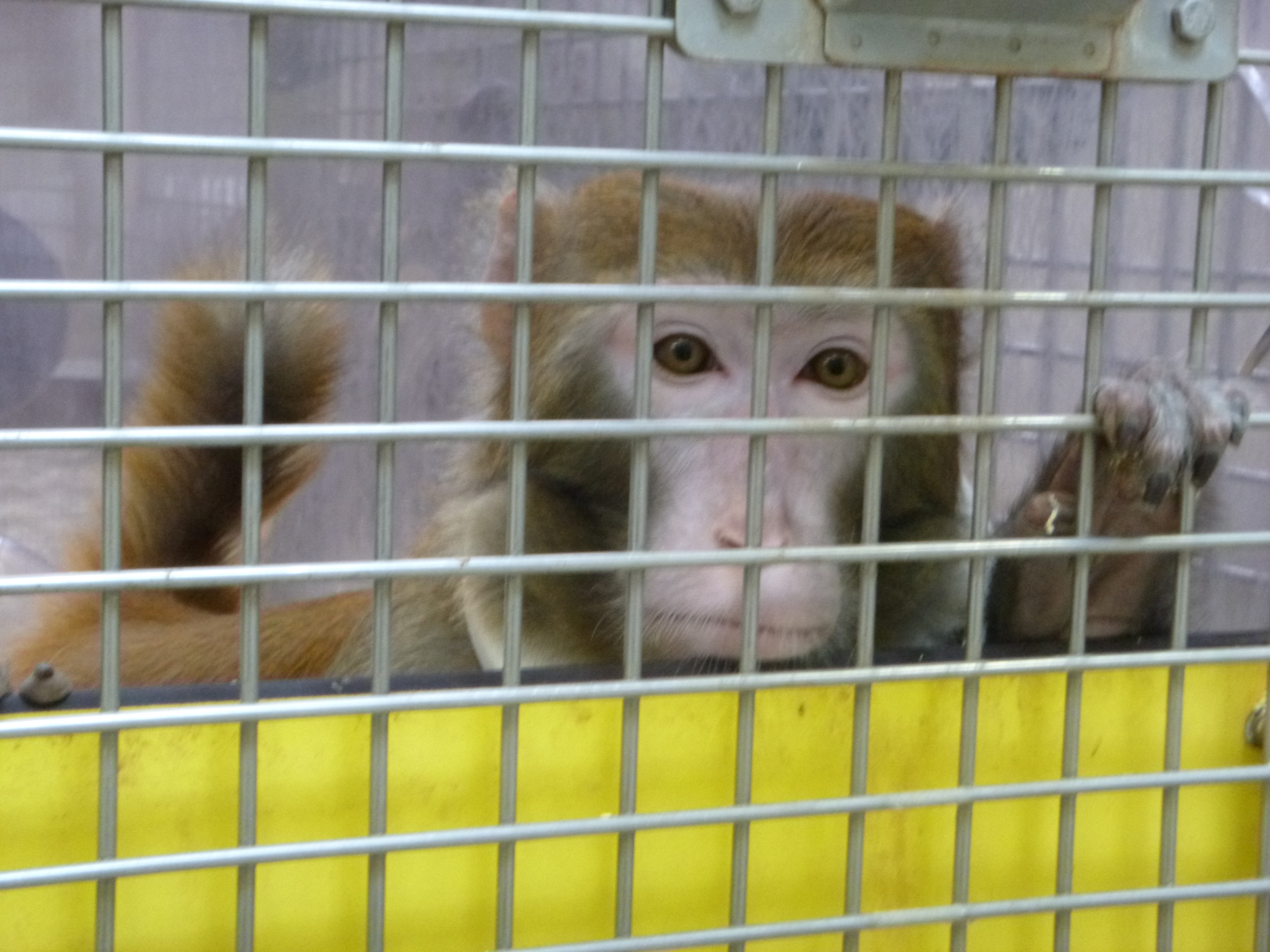
In another tragic waste of lives and critical resources, rhesus macaques were used and killed as "models" of chronic binge drinking in people (Poret et al 2025). The work was done at the Louisiana State University Health Sciences Center in the USA, and was approved by its animal use committee. The US taxpayer paid for this inhumane and brutal treatment of monkeys through grants AA009803 and AA028459, from the National Institute on Alcohol Abuse and Alcoholism (NIAAA), totalling many millions of US dollars.
Fourteen adult female Indian-origin rhesus macaques were used. The macaques were subjected to surgery to implant catheters that went into their stomachs. One group received ethanol injections to simulate "chronic binge" alcohol use. A 'control' group received water. The alcohol was at a concentration of 30%, totalling 13-14 grams of ethanol per kilogram of body weight, injected five days a week for over 14 months. No information was provided on the impact the alcohol had on the macaques.
Three months into the alcohol treatment, all the macaques were given the simian immunodeficiency virus into their vaginas. A little over two months later, they were treated with an antiviral medication. Nine months after the viral infection, all were subjected to 24 hours of food deprivation and then killed (euphemistically referred to as euthanized
by the researchers) by anaesthetising them and injecting them with a salt solution using an "embalming machine", to get tissues for study.
The researchers stated that macaques were to be killed before their scheduled deaths, if at any point any lost 25% of their body weight, refused to eat for four days, had major organ failure or had other medical or surgical complications that could not be treated. It was stated that two of the macaques were killed before the end of the study, but no reasons were provided.
Surprisingly, there was no description of how the macaques were housed, contrary to the ARRIVE guidelines required by many reputable journals (ARRIVE). As a result, we have to assume the macaques were singly caged with the standard lack of any meaningful social or other enrichment.
The researchers found that forced chronic alcohol use during infection with the simian immunodeficiency virus has effects on fatty tissue. These chronic effects are already known to occur in humans.
The public are repeatedly told that non-human primates are used in research only when absolutely necessary and only when there are no other alternatives available. This shameful experiment, which resulted in substantial suffering for the monkeys, demonstrates the meaningless nature of such assurances and a lack of commitment to stop using non-human primates. Not only is the information in macaques irrelevant to people given the fundamental differences between the two species, humane and ethical clinical studies have been and can continue to be done on human patients and volunteers in order to get data that are directly applicable to people. The macaques in this study had to endure the stress of captivity, almost certainly virtual social isolation, survival surgery, the severe negative effects of alcohol and death for what can only be considered frivolous reasons and clearly contrary to the Replacement criterion for the 3Rs.
Substance abuse, such as with the alcohol forced into these macaques, is a purely human disease. It is far more complex than simply using a drug. There are genetic, socioeconomic and other factors that must be considered if humans with drug addiction are to be helped. Continuing to concoct cruel and fatal experiments using non-human primates in the search for a 'magic bullet' that will cure people is not only costly, it is futile (Magliaro & Ahluwalia 2022). If we are serious about helping people, then we need to put all our intellectual and limited financial and other resources into responsibly and ethically studying the existing and huge laboratory already available to us: the world human population.
What you can do to help:
Cited information:
recommendations for the full and transparent reporting of research involving animals – maximising the quality and reliability of published research, and enabling others to better scrutinise, evaluate and reproduce it
...the impact of social, psychological and economic factors that determine the onset and persistence of addiction (and recovery from it) in humans. Indeed, the predictive validity of animal models of addiction is poor, with few effective treatments deriving from animal studies. ...the principal argument against animal experiments in the field of substances of abuse is that addiction in humans is a complex disorder which encompasses psychological, social and emotional variables that are impossible to model in animals.
Information on NIH grant support (funding) is taken verbatim from relevant publications. If you have difficulty with any links provided, you can do your own search through the NIH RePORTER site: https://reporter.nih.gov/, by copying and pasting the grant number into the Search field on the form.
Be aware that some grants include funds for more than experiments on non-human primates.
Contact us via E-mail
Copyright © 2020-2026 Action for Primates. All rights reserved.